




Why CIMIC Matters to NATO’s Regional Plans
NATO’s Regional Plans are geographically oriented plans developed to support the security of specific parts of Allied territory.
They form part of the wider Deterrence and Defence of the Euro-Atlantic Area framework and are intended to improve coherence between NATO and national planning.
For these plans to be credible and executable, commanders require more than an understanding of military forces and capabilities. They also need a reliable picture of the civil environment in which military activities may take place.
This is where Civil-Military Cooperation, or CIMIC, contributes.
The civil environment is part of the operating environment Populations, public institutions, local authorities, critical infrastructure, transport networks, essential services, private organisations and social dynamics can all affect military planning and execution.
These factors are not external to the operating environment.
They influence movement, sustainment, resilience, access to infrastructure, public behaviour, coordination and the wider consequences of military activity.
CIMIC personnel help commanders and staffs understand these elements and consider them within the planning process.
The objective is not simply to collect more information. It is to identify what is relevant, understand the relationships between different civil factors and explain how they may affect the commander’s mission.
From civil information to operational understanding Information concerning the civil environment may come from many sources and may differ in reliability, relevance and timing.
CIMIC contributes by organising, assessing and contextualising that information.
This can include understanding the role of institutions, identifying dependencies involving essential services, recognising the concerns of civil actors and assessing how military and non-military activities may affect each other.
The resulting understanding supports planning and decision-making.
It can also help staffs identify where further liaison, coordination or assessment may be necessary.
Interoperability cannot begin during a crisis Regional Plans involve different nations, headquarters, forces and levels of command.
Their effective implementation therefore depends on more than the readiness of individual units. It also requires organisations to understand one another’s procedures and to work from compatible concepts and terminology.
For CIMIC, this means developing shared doctrine, common planning tools and realistic multinational training.
Relationships and procedures need to be built before they are required.
Workshops, courses and exercises allow the CIMIC community to compare approaches, identify gaps and develop a more coherent way of supporting commanders.
The link between doctrine and training Doctrine provides the common foundation.
Training turns that foundation into professional competence. Exercises test whether personnel and headquarters can apply it under pressure and within a multinational structure.
The process is continuous.
Lessons identified during training and exercises should inform future doctrine. Updated doctrine should then be reflected in courses, planning activities and subsequent exercises.
The development of the CIMIC Training Hub is intended to support this connection between concepts, lessons, training and interoperability.
The role of MNCG The Multinational CIMIC Group operates at tactical and operational level and brings together personnel and experience from different nations.
Its activities include training, exercises, support to operations, doctrinal development and cooperation with NATO and Allied headquarters.
This position allows MNCG to contribute to the connection between strategic requirements and practical CIMIC preparation.
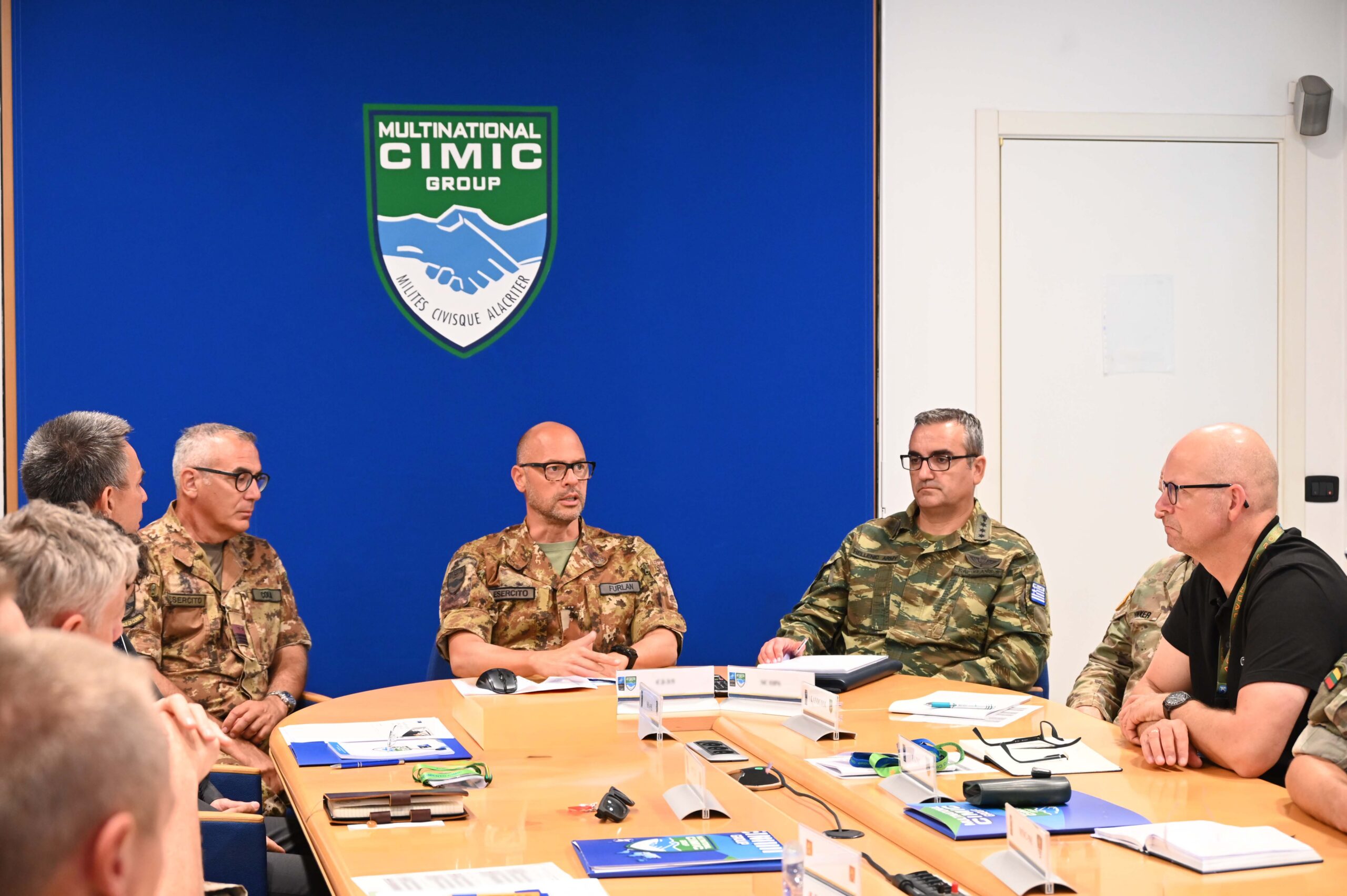
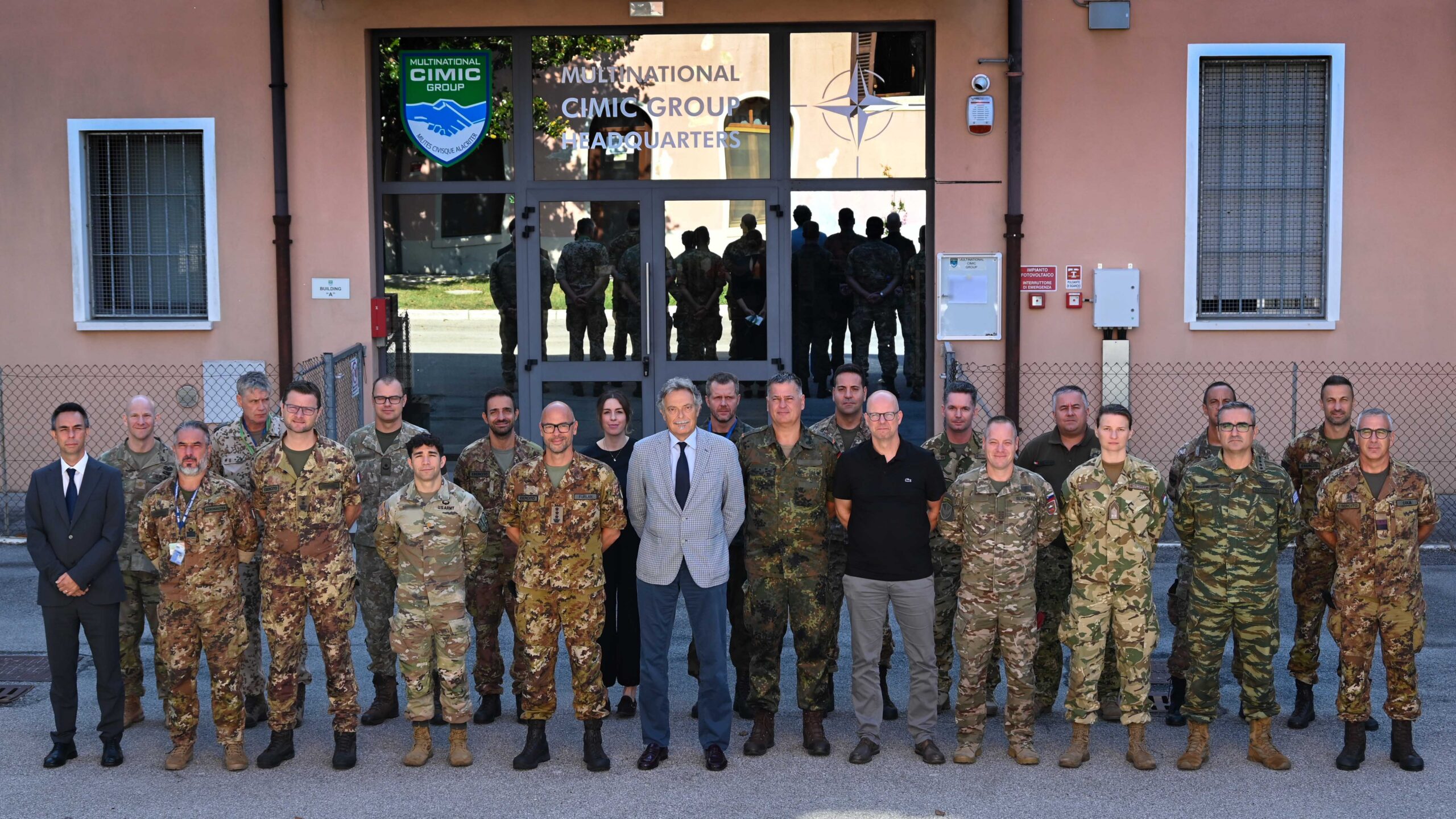
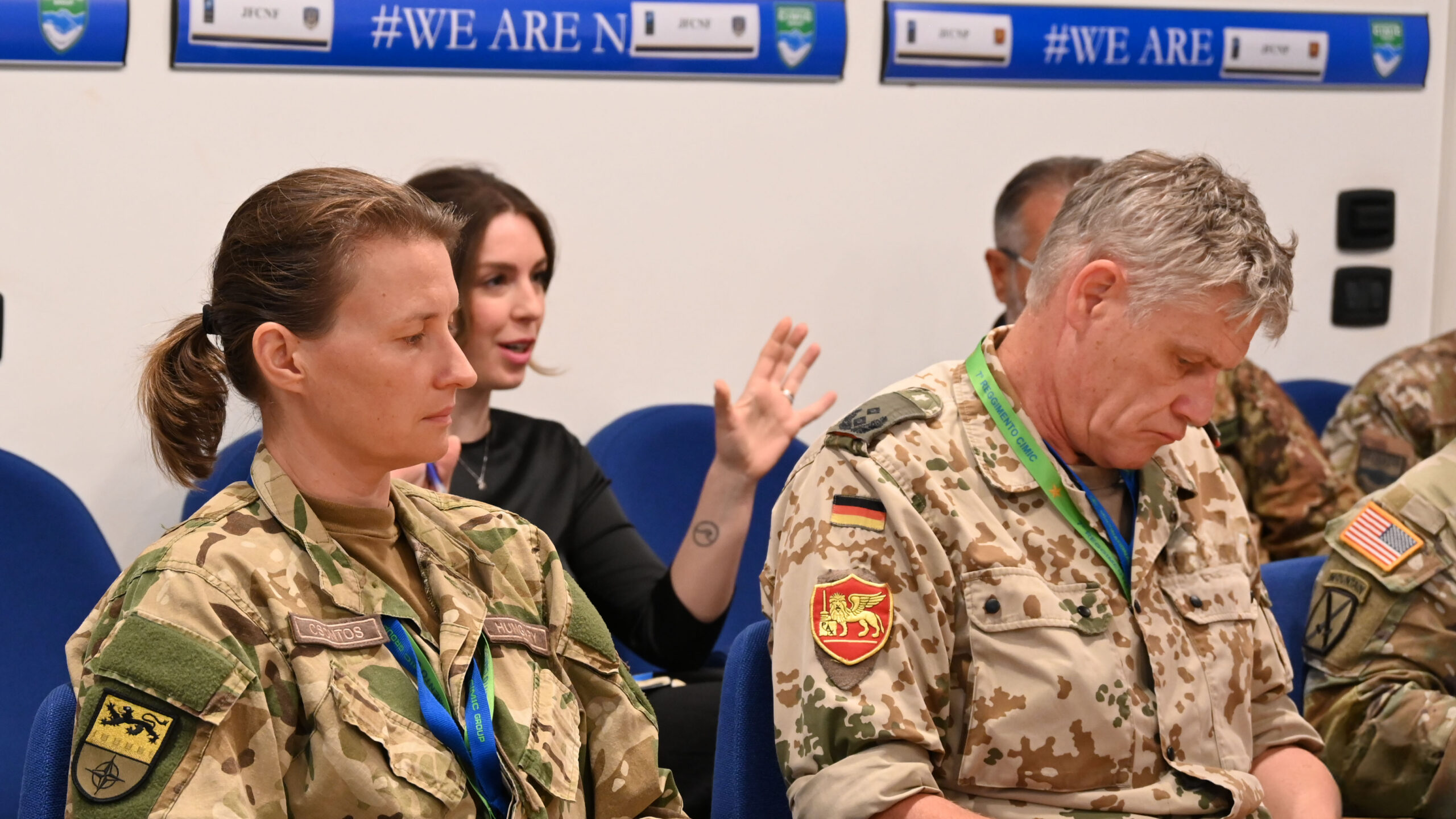
The workshop held from 1 to 3 September 2026 was part of this continuing effort. It brought together different levels of command to advance the CIMIC Deployment Concept, training initiatives and relevant doctrinal work in support of the Regional Plans.
Frequently asked questions
What are NATO’s Regional Plans? They are geographically oriented plans designed to support the security of specific parts of NATO territory and to improve coherence between Allied and national security planning.
What does CIMIC contribute? CIMIC contributes to the understanding of the civil environment and supports the integration of relevant civil factors into military planning and decision-making.
Why is multinational training necessary? Multinational training helps different headquarters and units develop shared procedures, identify gaps and improve interoperability before capabilities are required.
What is the CIMIC Training Hub? The CIMIC Training Hub is an initiative intended to connect CIMIC concepts, doctrine, lessons and training activities in support of more coherent multinational preparation.