





The same message can be understood differently depending on who receives it.
For a CIMIC liaison officer, recognising this difference is more than a communication skill. In a complex operational environment, cultural, institutional and behavioural factors can influence both the quality of an engagement and the relationship established with an interlocutor.
The CIMIC Intercultural Advanced Liaison Course develops advanced liaison skills by focusing on the cultural, behavioural and communication factors that influence interaction with different interlocutors in complex operational environments.
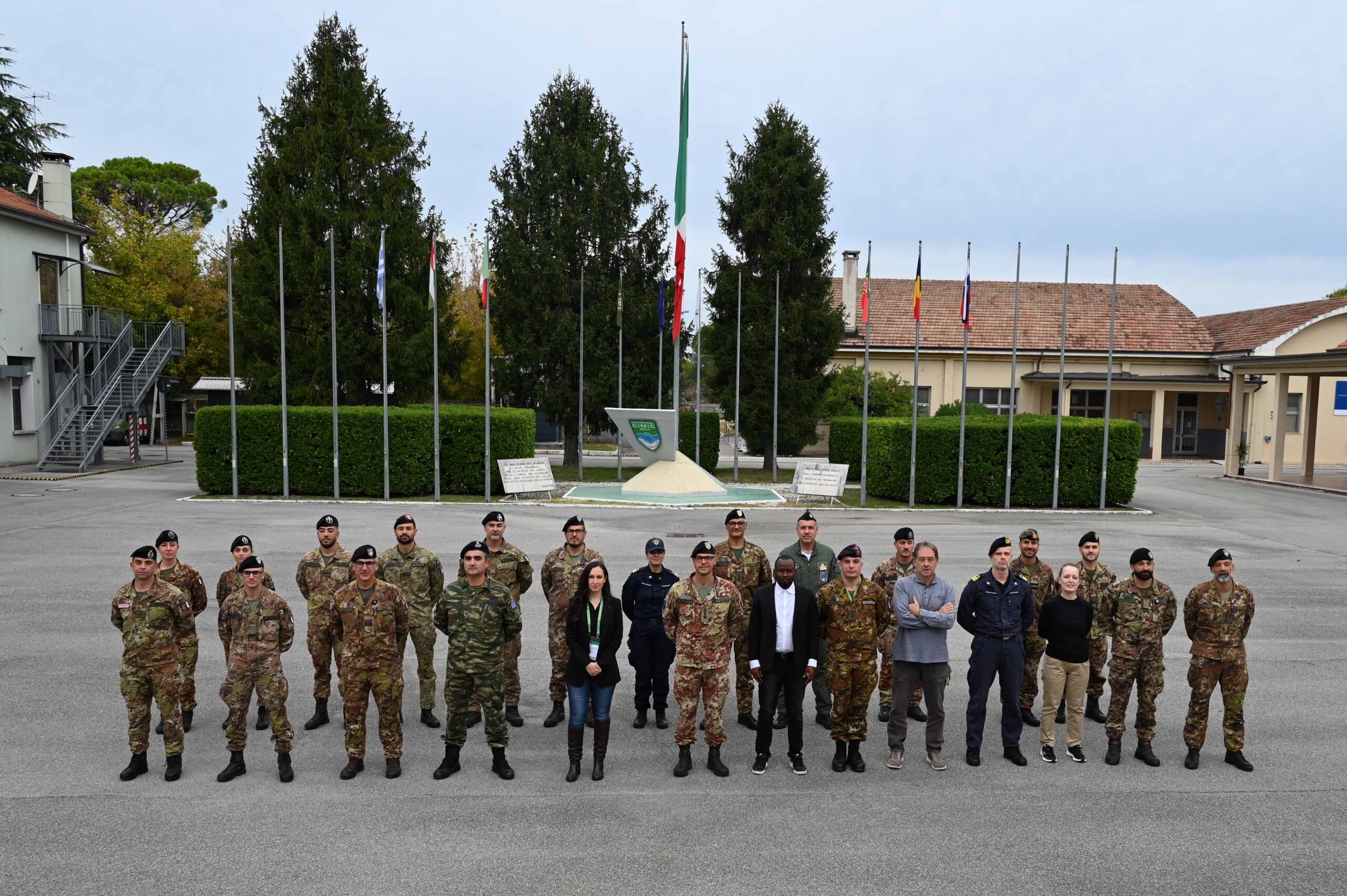
From 5 to 9 October 2026, Multinational CIMIC Group conducted the CIMIC Intercultural Advanced Liaison Course (CIALC) 01/26 at its headquarters in Motta di Livenza.
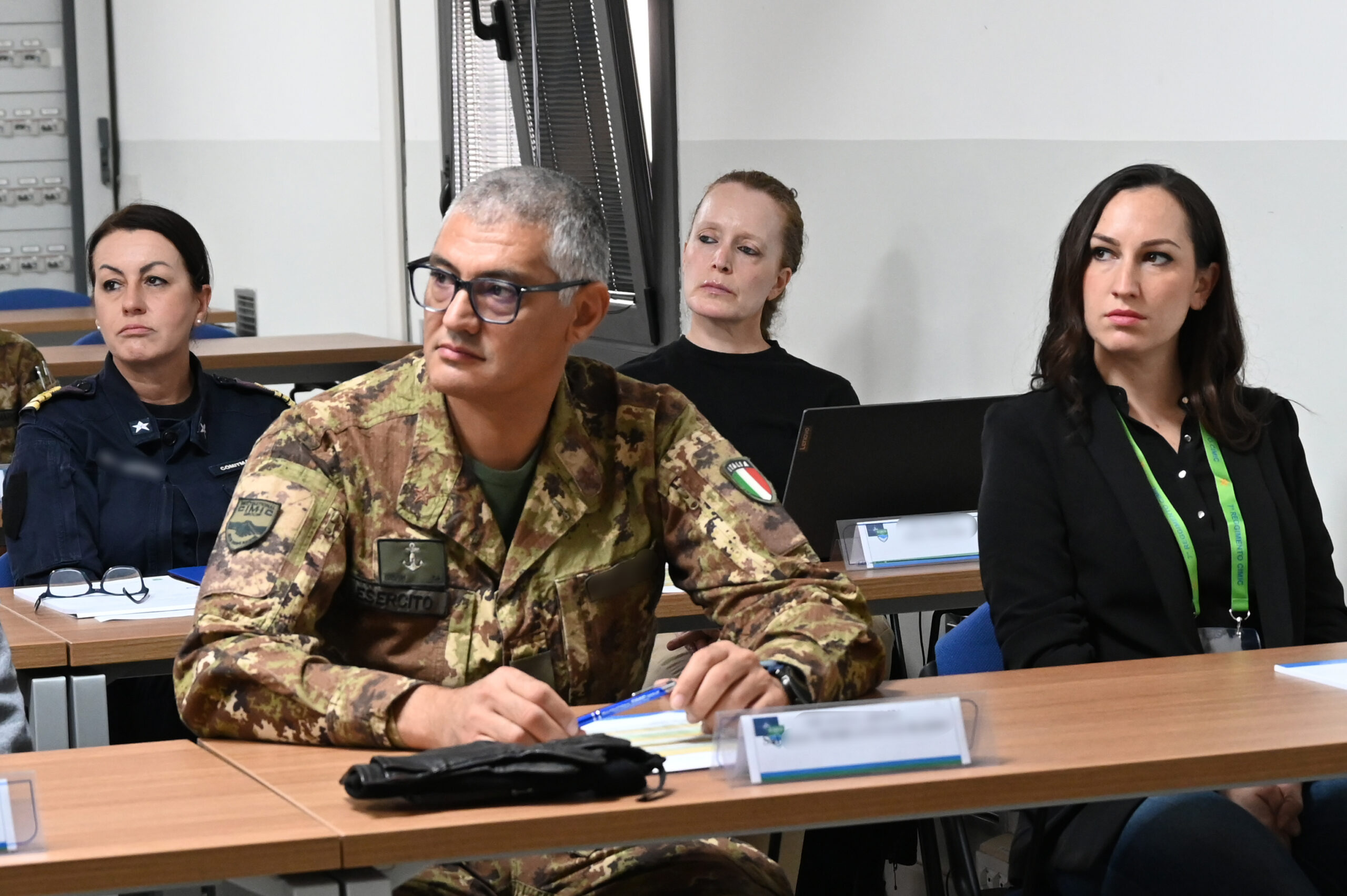
The course brought together 25 civilian and military participants from Italy, Greece and Burkina Faso, including personnel from the Italian Red Cross Military Corps and the United Nations Office for the Coordination of Humanitarian Affairs (UN OCHA).
Beyond procedures
CIALC represents the most advanced level of MNCG training dedicated to CIMIC liaison.
NATO CIMIC doctrine and established procedures provide the professional foundation, but successful engagement also depends on the ability to recognise how different people and organisations communicate, react and make decisions.
Communication styles, expectations, behaviours and non-verbal signals may all influence an interaction even when the purpose of a meeting remains unchanged.
For this reason, the course develops the ability to adapt an approach according to the interlocutor and the cultural and institutional environment in which the engagement takes place.
Learning through interaction
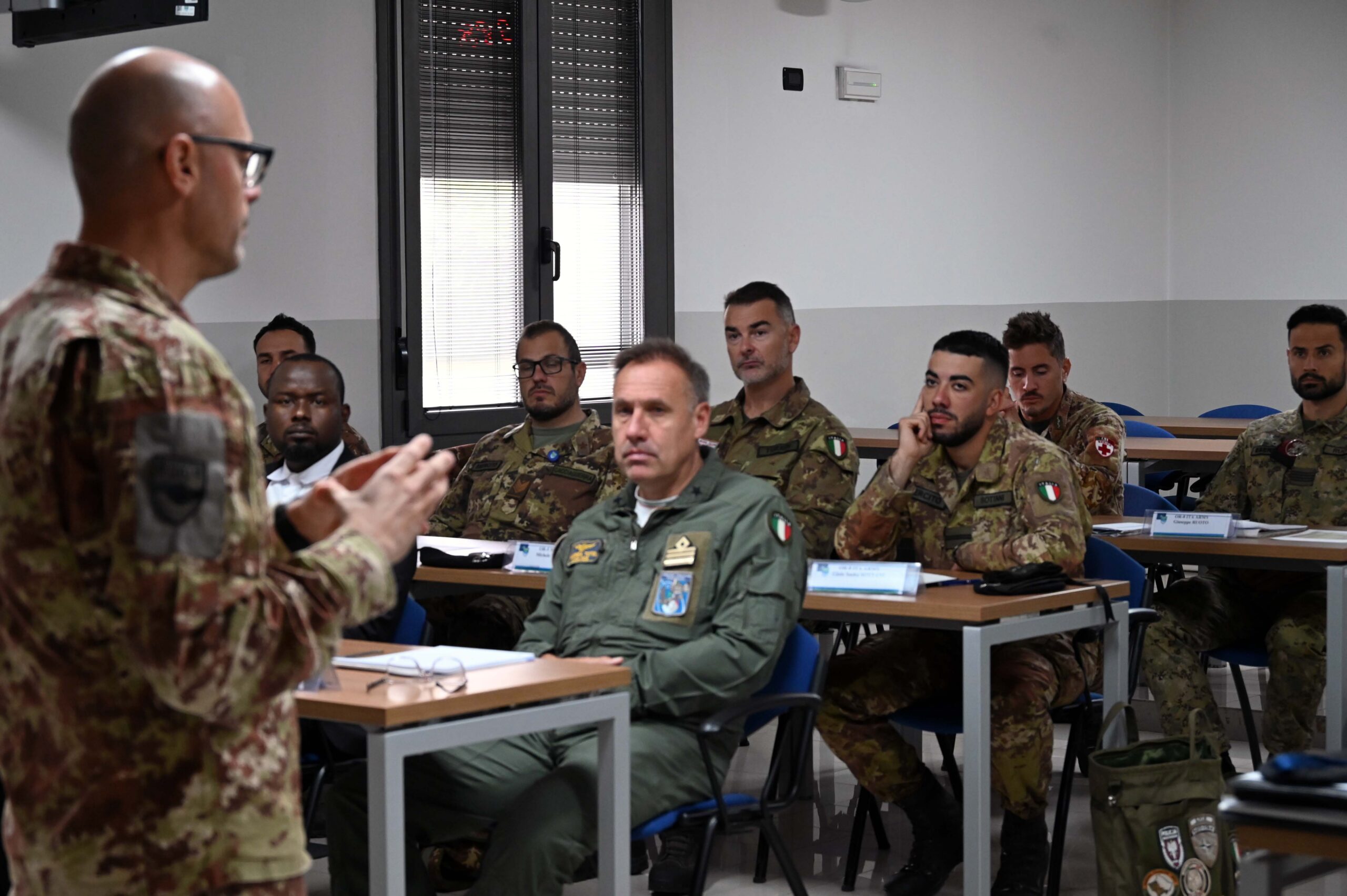
Training is predominantly practical and experiential.
Alongside MNCG CIMIC instructors, a university professor from Greece contributes specialist expertise on intercultural dynamics, while a military psychologist examines the role of non-verbal communication.
Representatives of non-governmental organisations add field experience and a civilian perspective on interaction in operational environments.
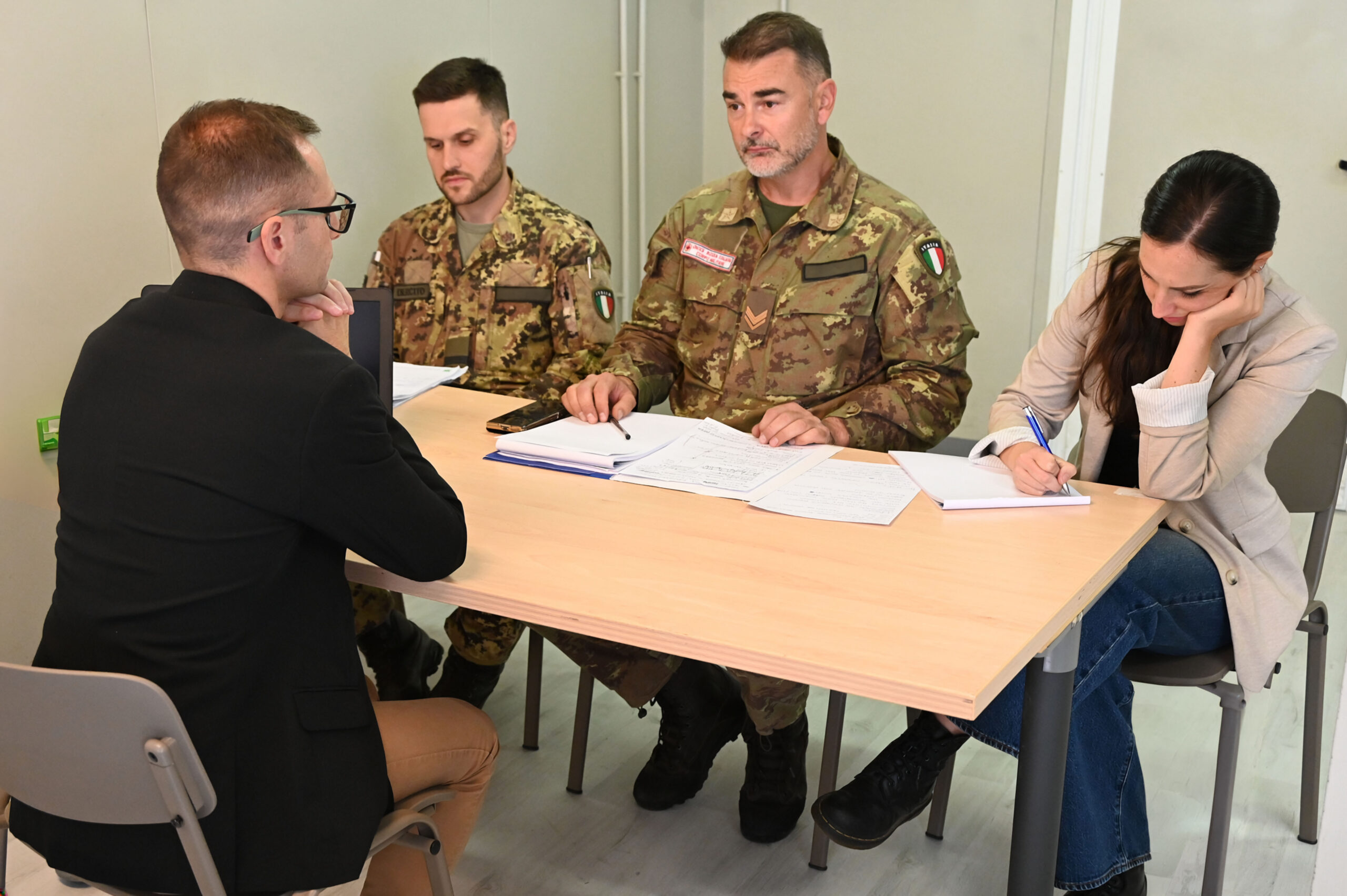
Through role-playing and scenario-based activities, participants conduct liaison meetings with interlocutors presenting different cultural, institutional and behavioural backgrounds.
Each interaction therefore requires more than delivering information correctly. Participants must assess the situation, interpret reactions and adjust the way they communicate and negotiate.
Understanding the interlocutor
CIALC 01/26 builds on the foundations of CIMIC liaison by adding another level of complexity: adaptation.
This capability becomes particularly important when military personnel interact with international organisations, humanitarian actors, institutions and civilian stakeholders whose priorities, perspectives and communication styles may differ substantially.
Effective liaison is therefore not based on a single communication model that can be applied to every situation.
It requires the ability to understand the environment, recognise the characteristics of the interlocutor and adapt the engagement without losing sight of its objective.
Effective liaison begins before the meeting itself.