




Preparing tactical CIMIC capabilities for collective defence means connecting NATO requirements with the forces, nations and civil environments in which they may have to operate. CIMIC Training Hub 26-1 brought these elements together in Kraków, Poland.
NATO’s Regional Plans and the NATO Force Model place a clear requirement on tactical Civil-Military Cooperation capabilities: they must be ready to support Corps, Divisions and Brigades across the Alliance, including in an Article 5 collective-defence scenario.
This represents a significant evolution from the crisis-response operations that shaped much of CIMIC training in previous decades.
The Multinational CIMIC Group Headquarters created the CIMIC Training Hub to help address this requirement by strengthening the readiness and interoperability of tactical CIMIC capabilities and supporting a more coherent approach to their preparation across the Alliance.
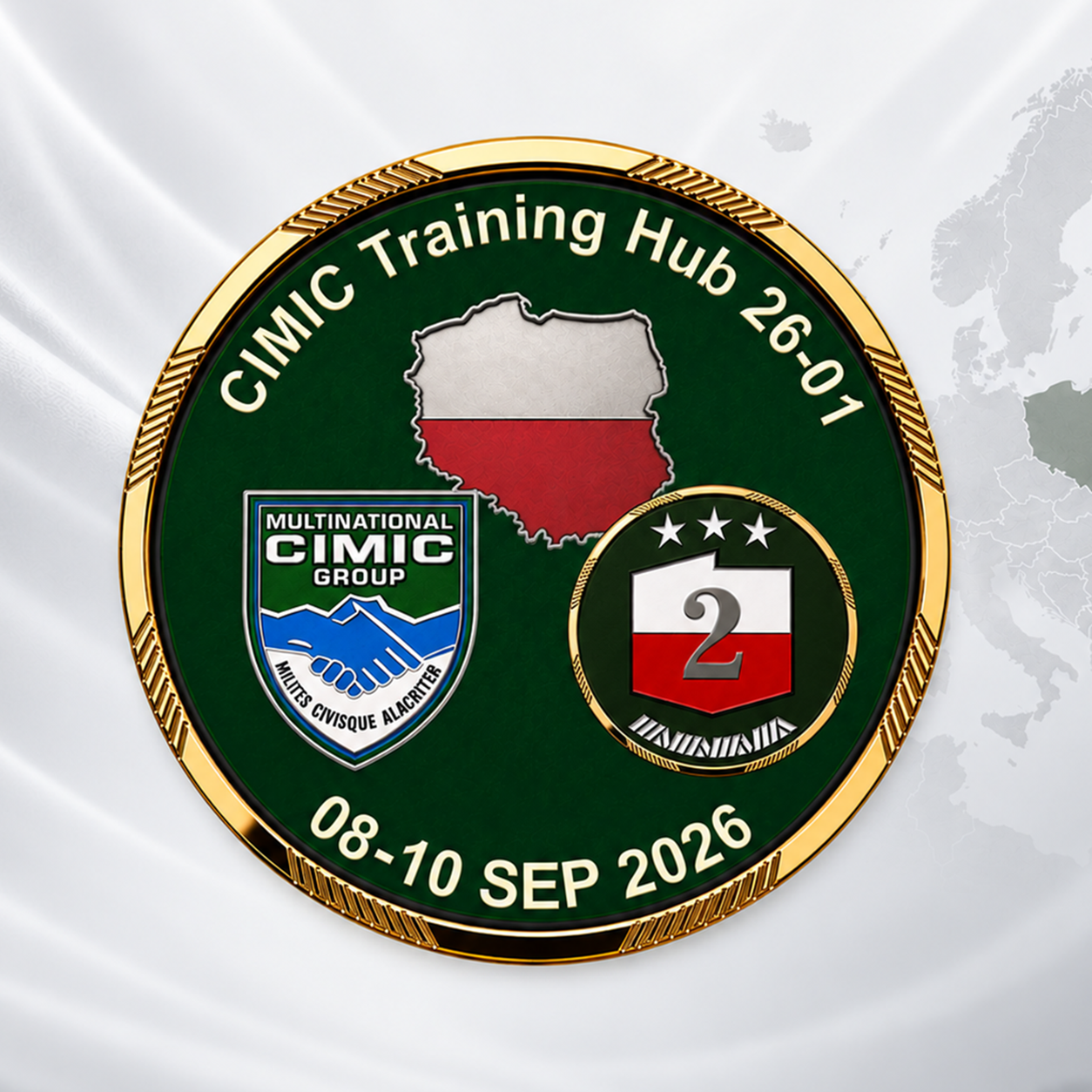
Conducted in Kraków from 8 to 10 September 2026 in co-organisation with the 2nd Polish Corps, CTH 26-1 built directly on the pilot activity held in Motta di Livenza in 2025.
More than a conventional course The CIMIC Training Hub is designed as a training opportunity rather than a conventional course within a formal education programme.
This distinction allows the activity to remain closely connected to operational requirements and to bring together different headquarters, national capabilities and tactical practitioners around the same problem set.
The objective is not simply to transfer knowledge, but to develop a common understanding of how tactical CIMIC capabilities can support NATO formations within the framework of the Regional Plans.
A real Host Nation, a real operational context For CTH 26-1, Poland was not simply the location of the activity. It was the focus nation.
Working within the context of a real sovereign Allied Host Nation gave participants the opportunity to examine how NATO requirements interact with national civil preparedness, resilience, critical infrastructure and the wider civil environment.
With the direct support of the 2nd Polish Corps and contributions from Polish commands and organisations, the activity connected tactical CIMIC preparation with the realities that Allied formations may face when operating within a Host Nation.
This is where the Training Hub approach becomes particularly relevant: Regional Plans are linked to the environment in which tactical CIMIC elements may actually be required to operate.
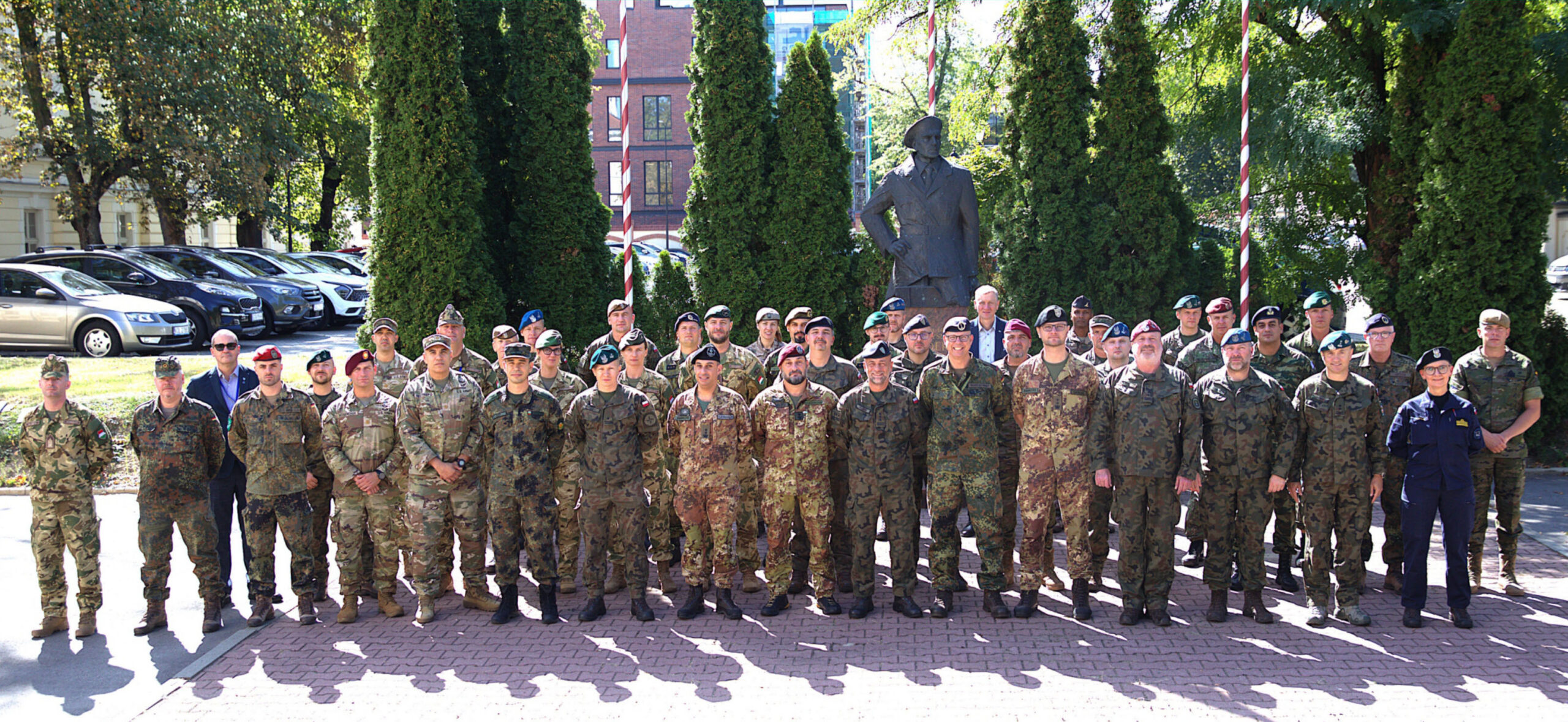
Connecting NATO requirements and national capabilities CTH 26-1 brought together nearly 50 military and civilian participants from 12 Allied nations, representing 33 national and NATO organisations and headquarters.
Contributions involved NATO and Allied headquarters including JFC Brunssum, LANDCOM, JSEC and MNC-NE, alongside Polish national headquarters and CIMIC organisations.
Across the activity, participants addressed the operational framework surrounding the Regional Plans, the land tactical level, reinforcement and sustainment, civil-military liaison, resilience, civil preparedness, critical infrastructure and the analysis of civil factors within the operational environment.
Multinational CIMIC effectiveness depends on headquarters and national capabilities being able to understand the same operational environment, coordinate their efforts and apply compatible approaches before they are required to do so in operations.
The professional relationships built during the Training Hub are therefore part of the readiness it seeks to strengthen.
From common understanding to tactical readiness CTH 26-1 represents another step in the development of the CIMIC Training Hub concept.
Feedback collected during each iteration contributes to refining future activities, allowing lessons identified through multinational interaction to shape subsequent preparation.
As NATO continues to strengthen its collective-defence posture, tactical CIMIC capabilities must be ready to operate alongside the formations they support and within the civil environments in which those formations may deploy.
The CIMIC Training Hub contributes to that effort by bringing together NATO requirements, national capabilities, Host Nation realities and tactical preparation in one multinational environment.
That is where Regional Plans begin to become tactical readiness.