




Effective liaison is a key element of Civil-Military Cooperation. In complex operating environments,the ability to establish dialogue, understand different perspectives and maintain effective relationships with non-military actors can directly support situational understanding, coordination and military decision-making.
The NATO CIMIC Liaison Course is designed to develop the knowledge and practical skills required to conduct effective CIMIC liaison in complex operational environments.
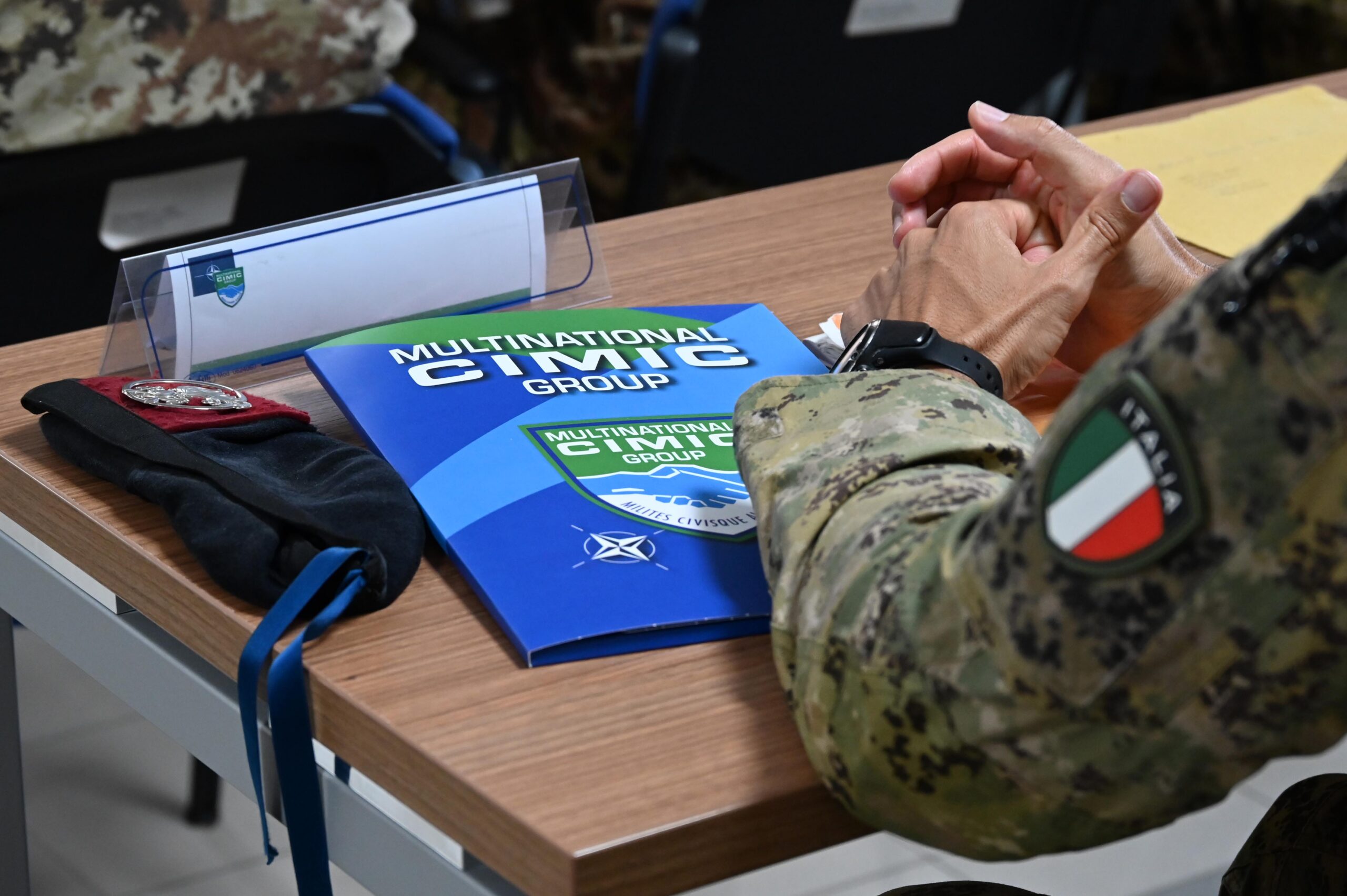
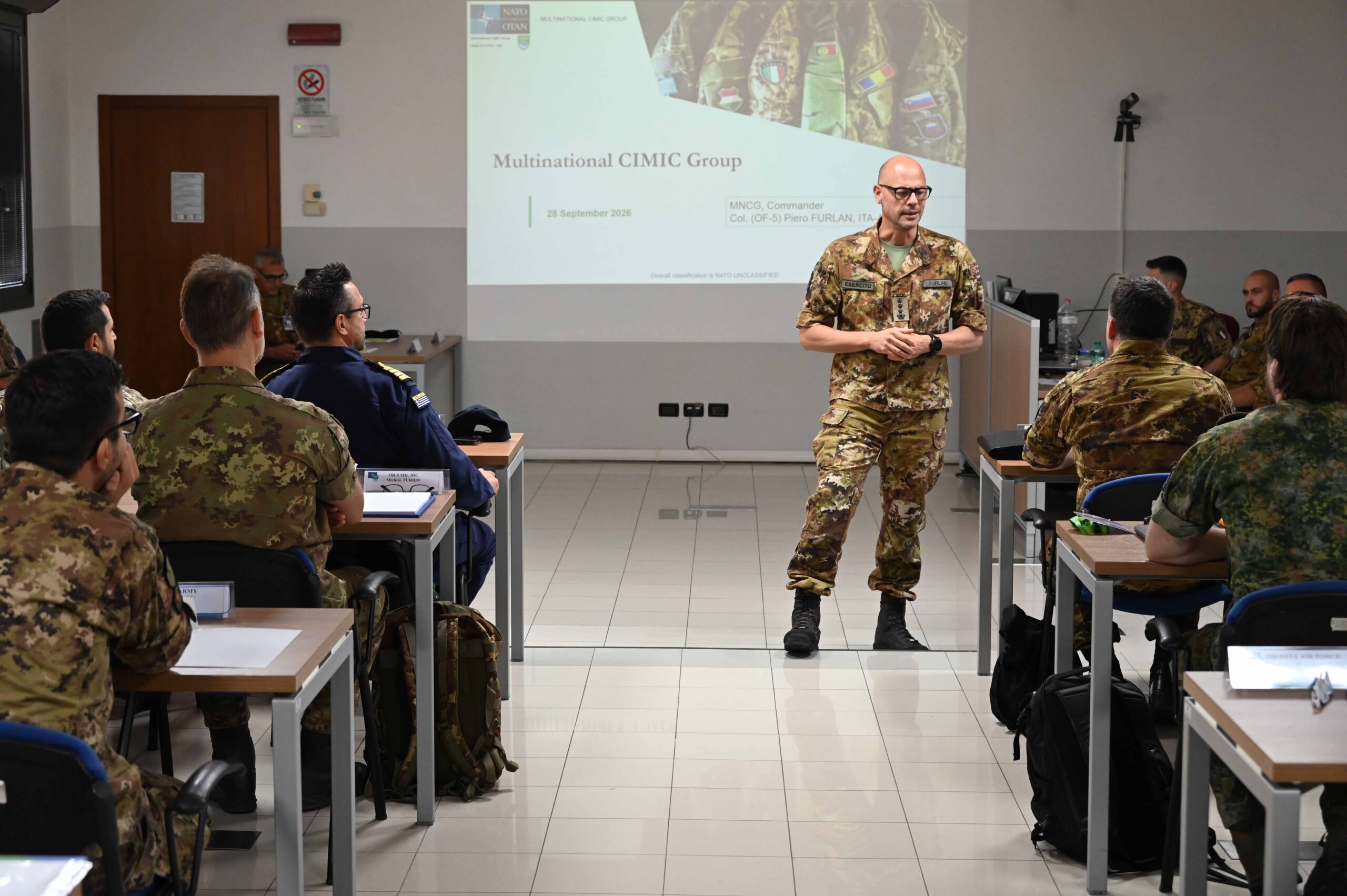
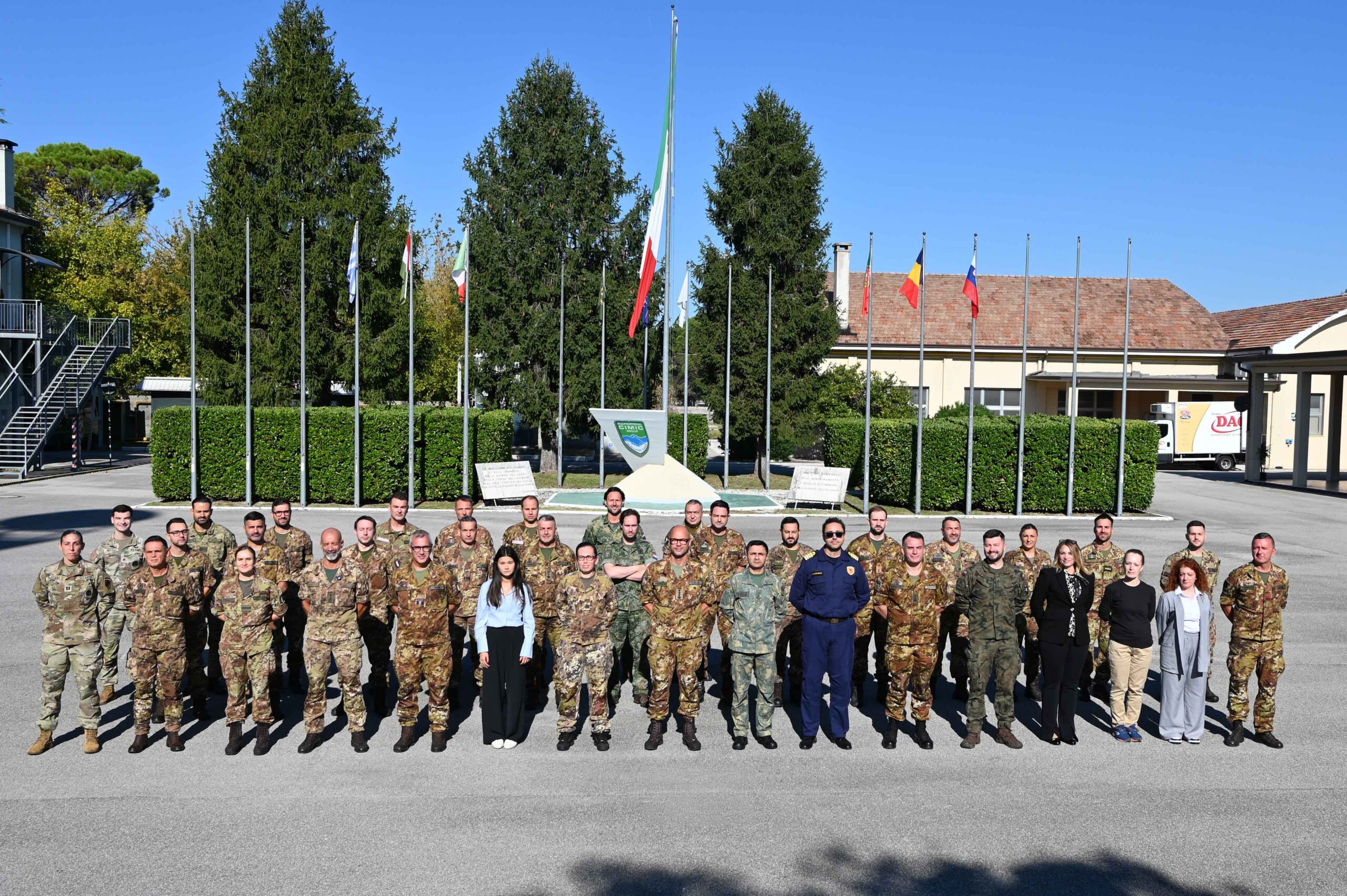
From 28 September to 2 October 2026, Multinational CIMIC Group conducted the NATO CIMIC Liaison Course (NCLC) 01/26 at its headquarters in Motta di Livenza, Italy.
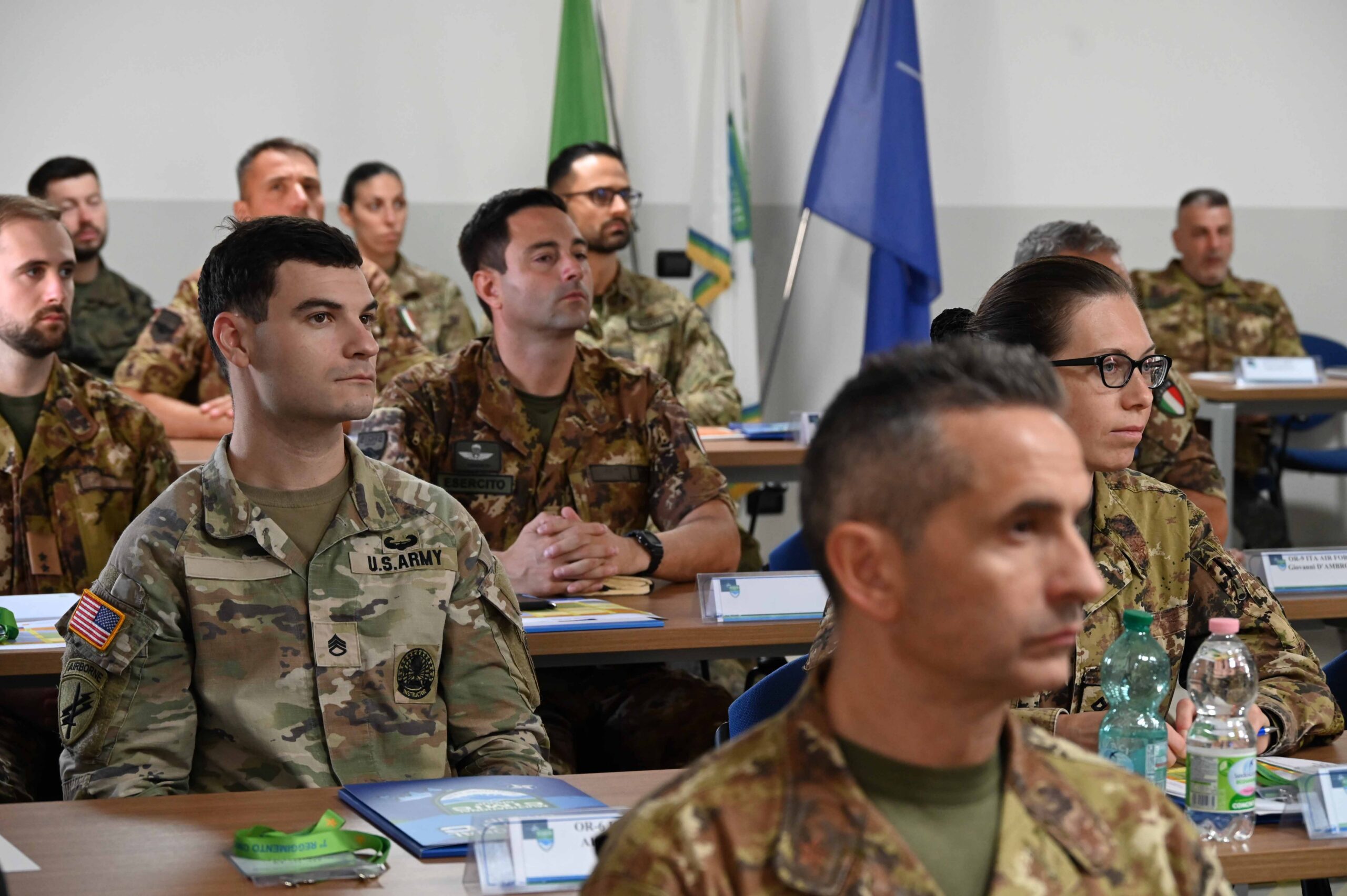
The course brought together 33 civilian and military participants from Italy, Greece, the Netherlands, the United States and Azerbaijan. The training audience included personnel from national and NATO commands and units, as well as members of the Italian Red Cross Military Corps and the Military Corps of the Italian Association of the Sovereign Military Order of Malta.
From doctrine to effective engagement
CIMIC liaison is more than the exchange of information between military and civilian actors.
A liaison officer must understand the operational context, identify relevant interlocutors, prepare an engagement and communicate military requirements while recognising the perspectives, priorities and constraints of other organisations.
NCLC 01/26 therefore combined NATO CIMIC doctrine with practical activities focused on liaison techniques, communication, negotiation and mediation.
Classroom sessions provided the professional framework, while scenario-based training required participants to prepare and conduct meetings with civilian and other non-military interlocutors.
This progression moved training beyond procedural knowledge, placing participants in situations that demanded judgement, communication and adaptation.
Bringing different perspectives together
Effective liaison also requires an understanding of perspectives outside one’s own organisation.
Along side MNCG CIMIC instructors, the course included contributions from instructors from Poland and the United States and representatives of non-governmental organisations.
Their experience provided additional insight into humanitarian issues and into the way military organisations and civilian actors interact in complex environments.
The multinational composition of the course further allowed participants to compare different professional experiences, approaches and working cultures.
This diversity is particularly valuable in CIMIC, where shared understanding often develops through the ability to recognise different priorities and perspectives.
Liaison as anoperational capability
The purpose of NCLC 01/26 is therefore not simply to teach procedures.
It is to develop liaison as a practical CIMIC capability: establishing communication, supporting mutual understanding and enabling effective interaction between military forces and the civil environment.
In contemporary operations, military activities take place within networks that may include civilian institutions, international organisations, humanitarian actors and local stakeholders.
The ability to establish and maintain effective relationships with those actors can therefore become an important element of situational understanding, coordination andinformed military decision-making.