





Operational readiness requires more than forces, military capabilities and executable plans. Forces need to move, deploy and sustain themselves. They rely on transport networks, energy, communications, essential services and infrastructure that are largely part of the civil environment. Understanding these interdependencies, and where coordination or deconfliction may be required, is therefore part of preparing for operations. This is why understanding the civil environment has direct relevance to military planning.
In September 2026, NATO published its updated Resilience Baseline Requirements, reinforcing the importance of civil support to military operations, Host Nation Support, critical infrastructure and coherence between civilian and military planning. The requirements also emphasise whole-of-government and whole-of-society approaches and the need for civilian resources and infrastructure to support the execution of NATO military plans in peace, crisis and conflict.
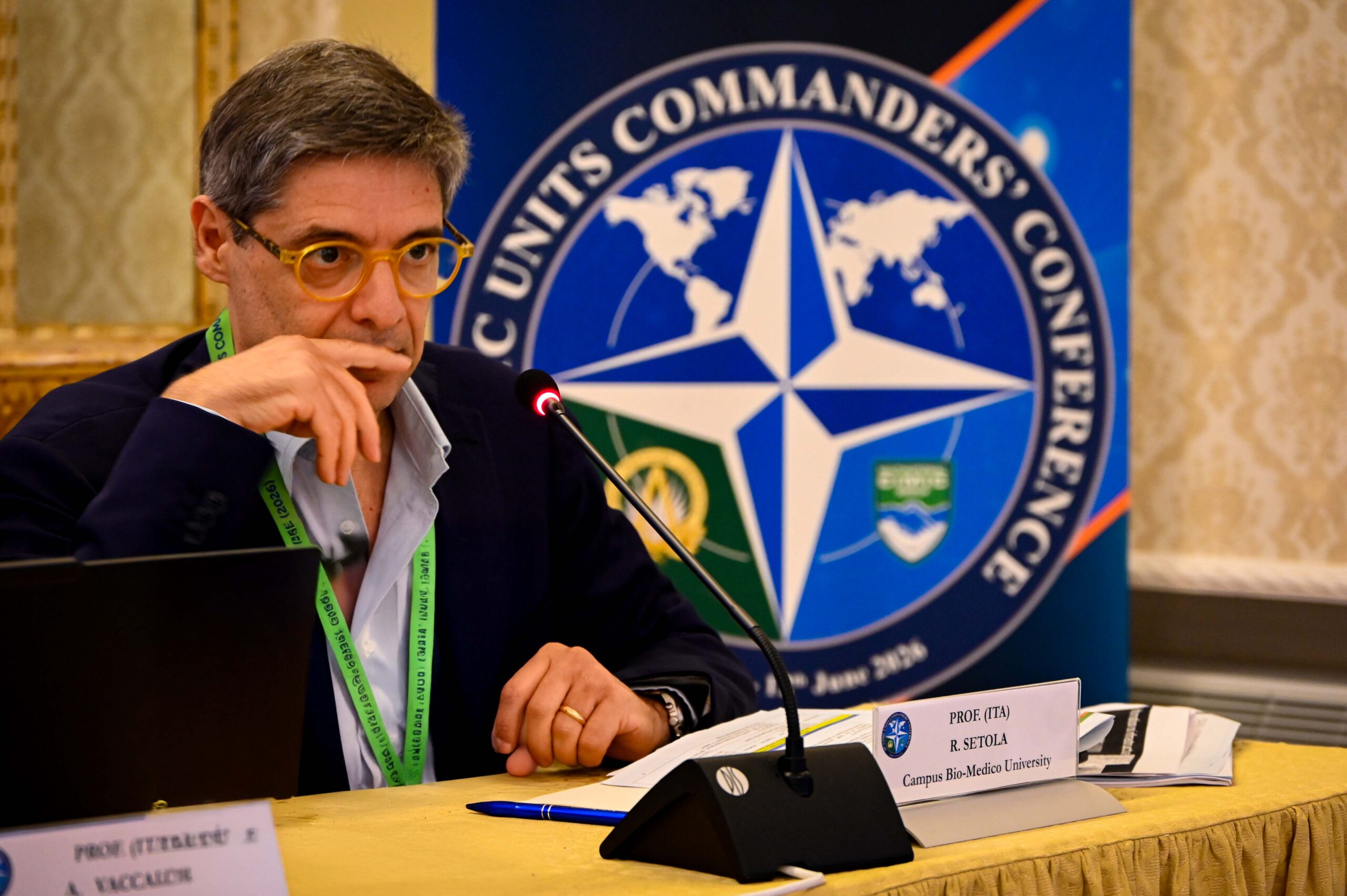
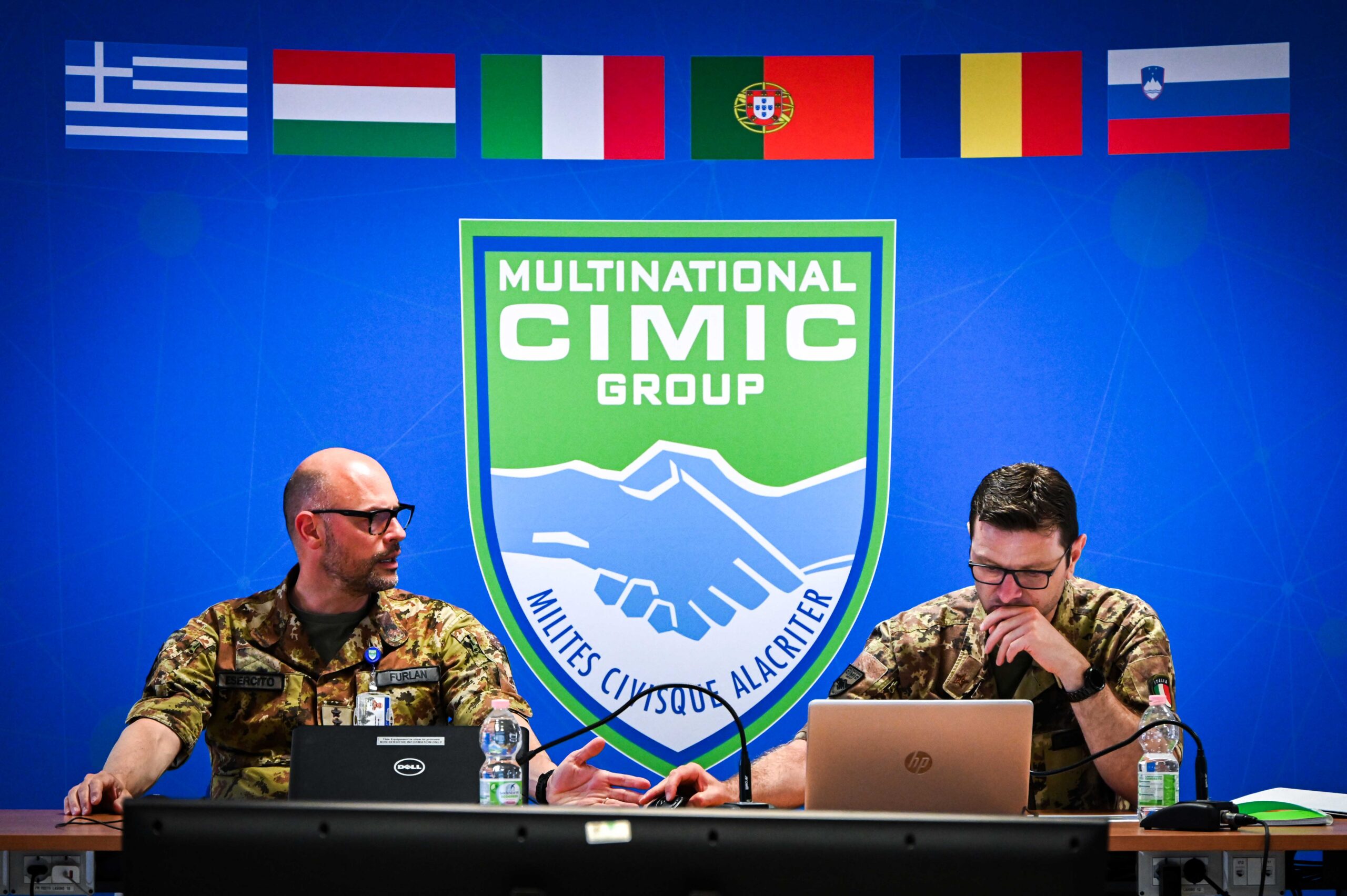
Only a few months earlier, many of these issues had been addressed during the 19th CIMIC Units Commanders’ Conference (CUCC 2026) in Naples. The conference examined the role of civil environment understanding in supporting planning and decision-making, together with resilience, hybrid and cognitive threats, emerging technologies, artificial intelligence and professional judgement. The focus was not simply on collecting more information, but on making that information relevant, traceable and useful to commanders. This was particularly evident in the discussions on Civil Environment Analysis and Assessment. AI-enabled and data-driven tools can improve the ability to process and analyse information, but their effectiveness continues to depend on trusted data, context, experience and human accountability.
The same questions are becoming increasingly relevant as NATO strengthens its readiness. At the Military Committee Conference in Copenhagen in September, NATO’s military leadership stressed the need to turn commitments into ready forces, fielded capabilities and executable plans, while accelerating readiness and Multi-Domain Operations. Critical infrastructure and resilience were also identified as integral to deterrence and defense.
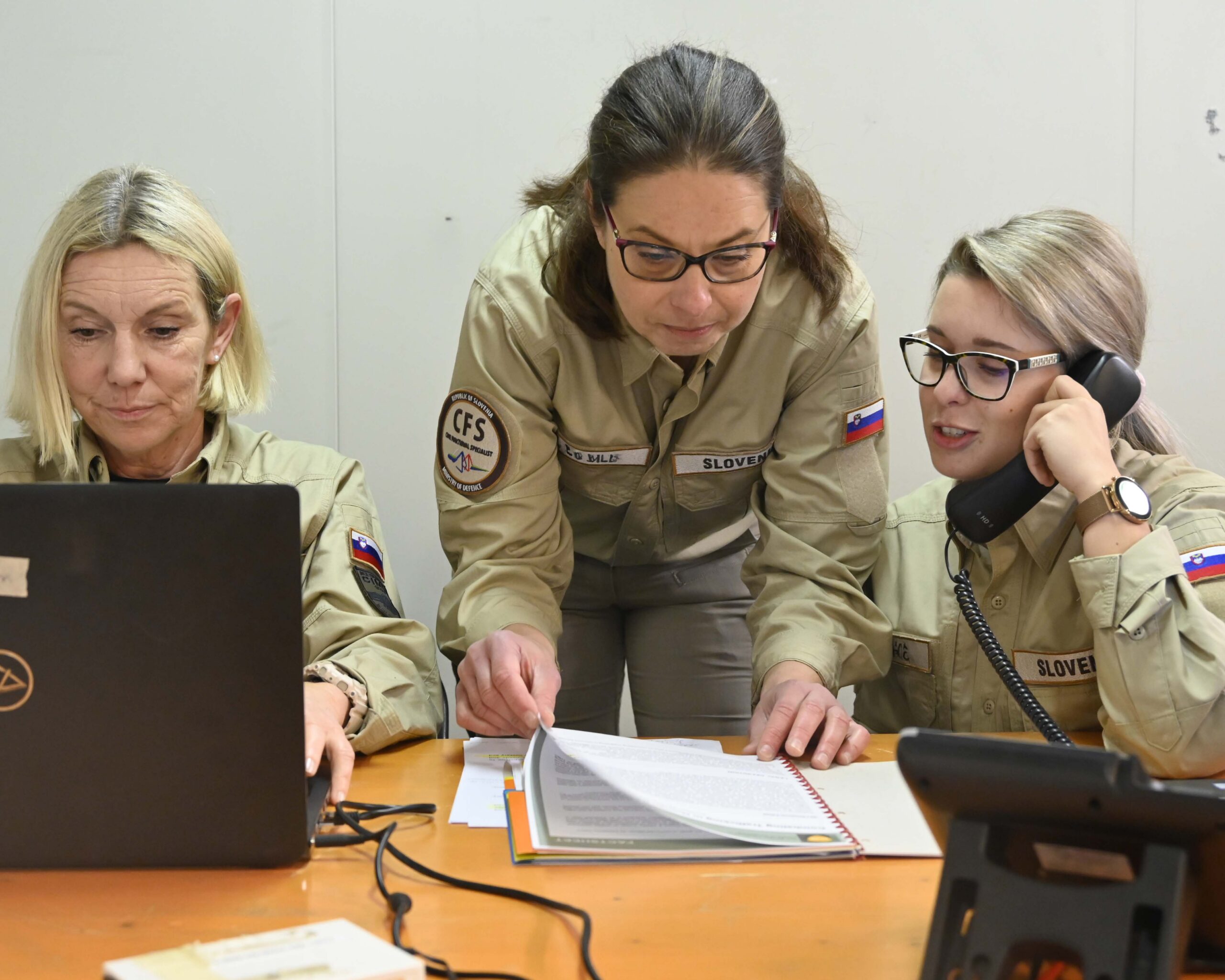
For the NATO CIMIC community, the work also continues through doctrine. As custodian of ATP-3.19.1, the future NATO tactical publication for Civil-Military Cooperation, the Multinational CIMIC Group is coordinating a multinational doctrinal development process involving NATO headquarters, formations and CIMIC specialists. The second Writing Team Meeting, held in June 2026, continued the development of Study Draft 1 by refining concepts, terminology and procedures against current and future operational requirements. ATP-3.19.1 is intended to provide commanders and CIMIC personnel with a common tactical framework and strengthen coherence, standardization and interoperability.
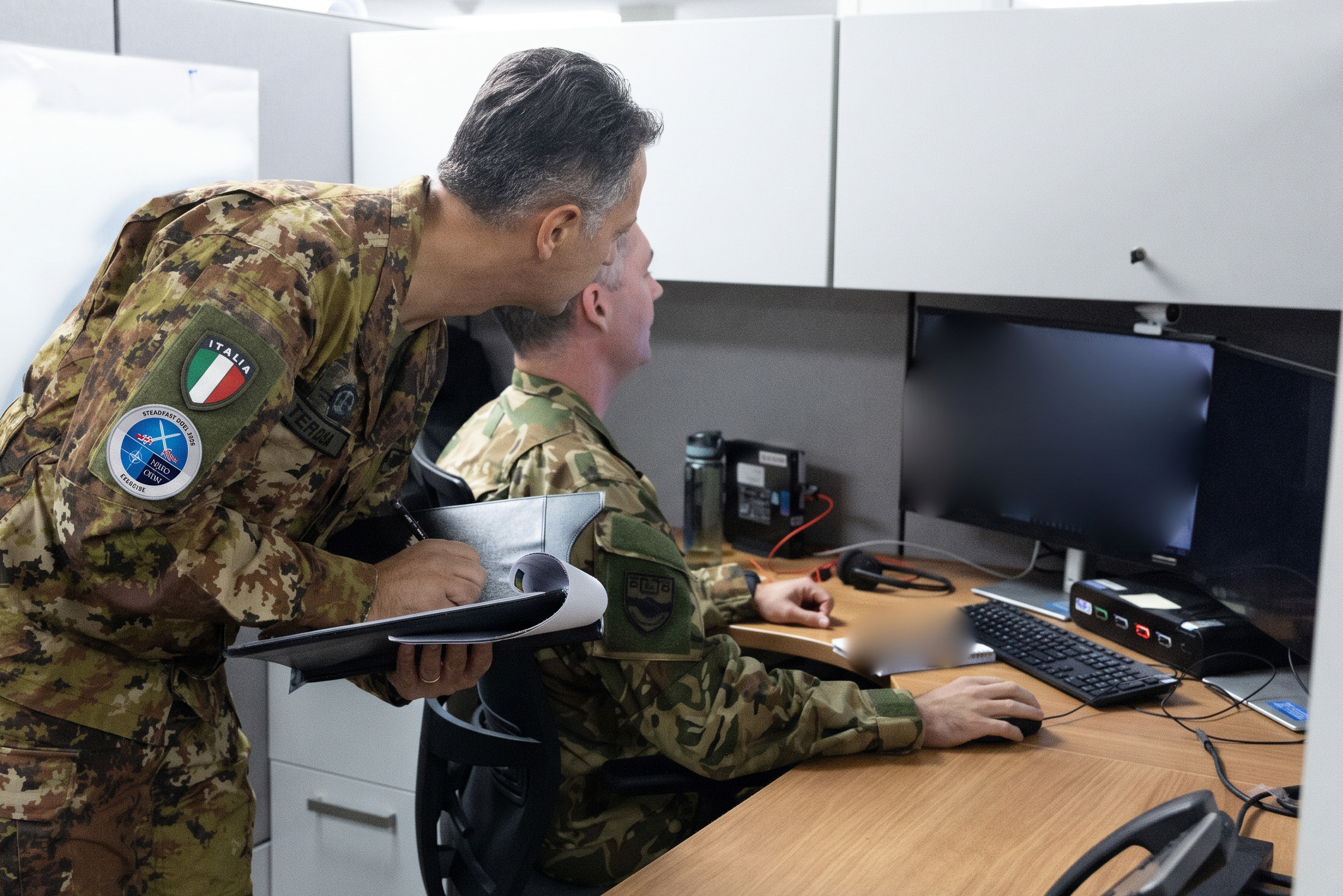
Doctrine, however, is only one part of the process. Work related to NATO Regional Plans, multinational training and exercises provides opportunities to apply procedures, identify gaps and improve the ability of different nations and headquarters to operate together. In October, this continuum also extends into STEADFAST DUEL 2026, where MNCG personnel contribute within a major NATO exercise environment. NATO is using STEADFAST DUEL 2026 itself to test and develop capabilities relevant to future training and Multi-Domain Operations.
What matters is therefore not any single conference, doctrinal meeting, course or exercise, but the connection between them. Civil environment understanding supports planning. Doctrine provides a common framework. Training and exercises build interoperability. Together, they contribute to readiness.
CUCC 2026 provided a forum in which many of these challenges could be examined. The development of ATP-3.19.1 helps bring coherence and answer the question most frequently asked by operators: how to implement actions at the tactical level to underpin effects for the Alliance. As NATO adapts to an increasingly complex security environment, understanding the civil environment remains part of understanding the conditions in which military plans must be executed.