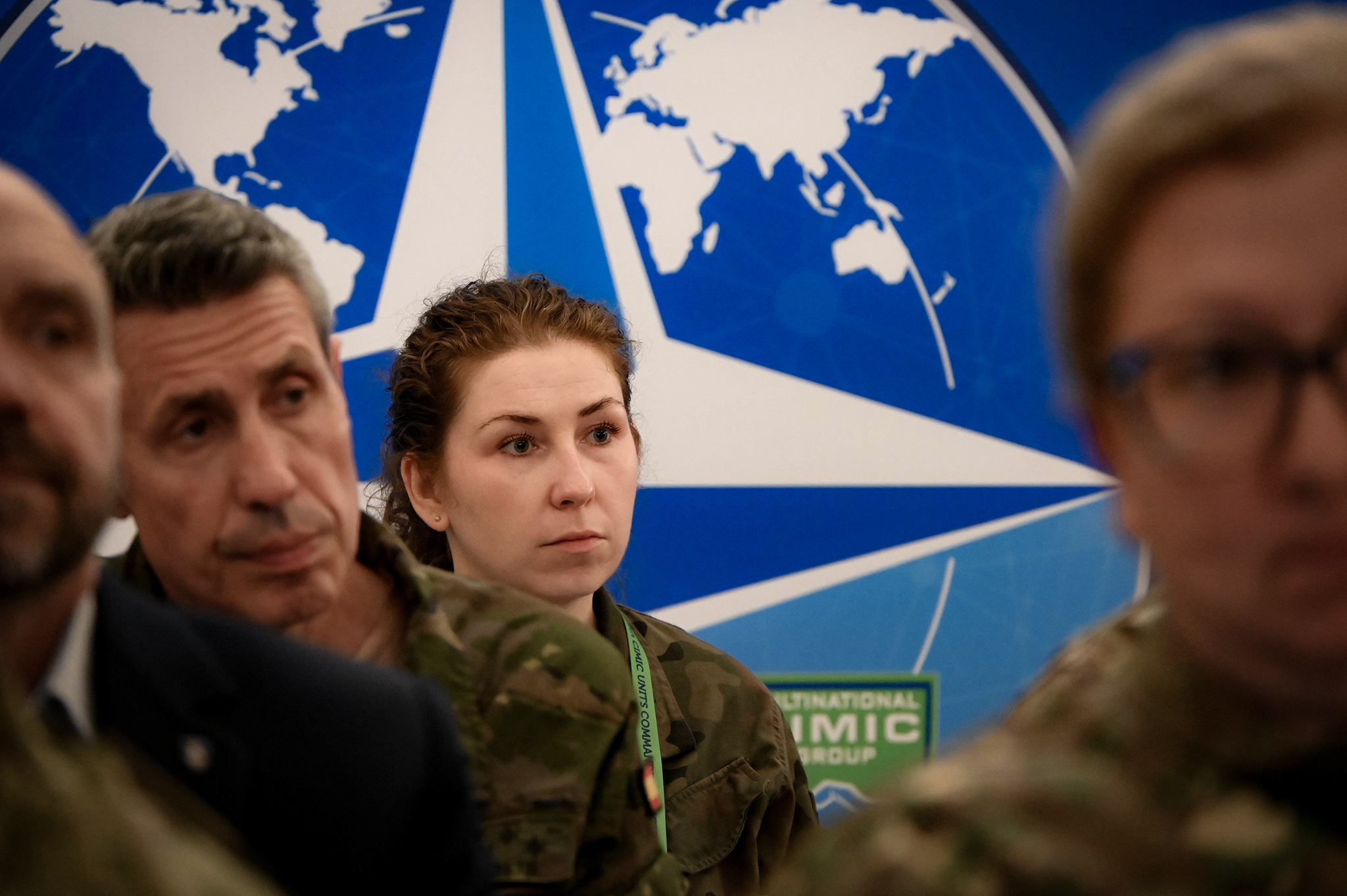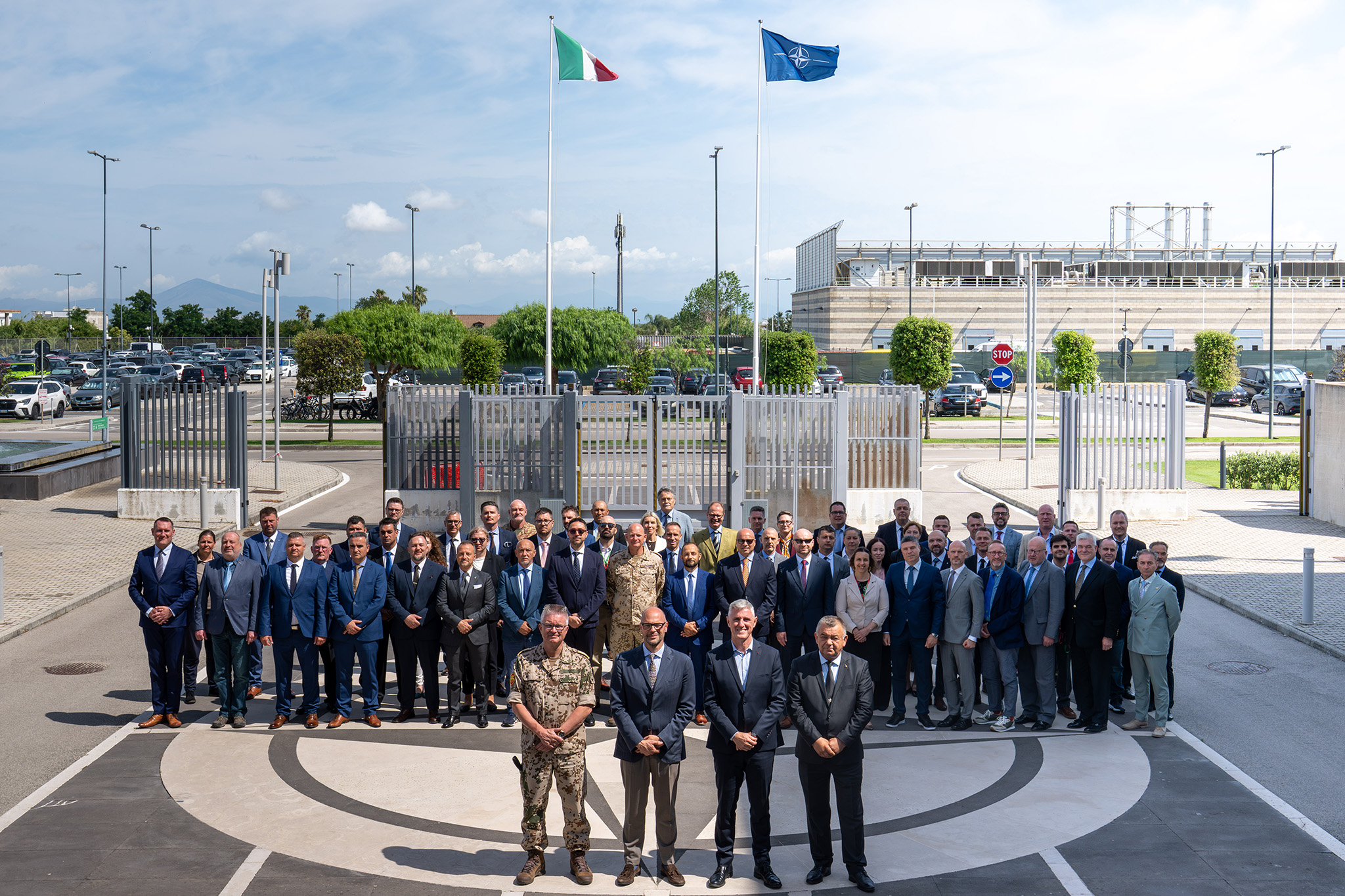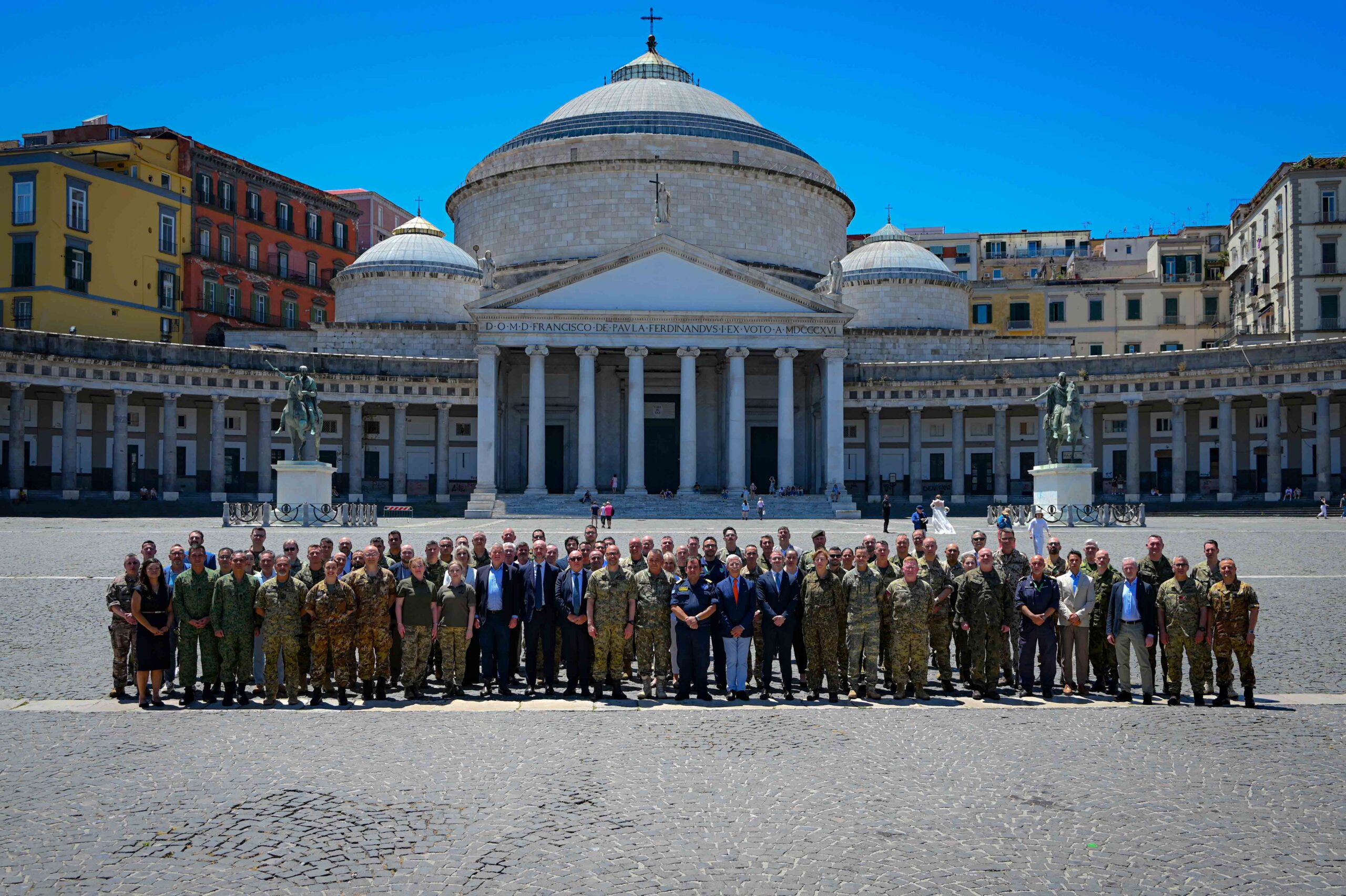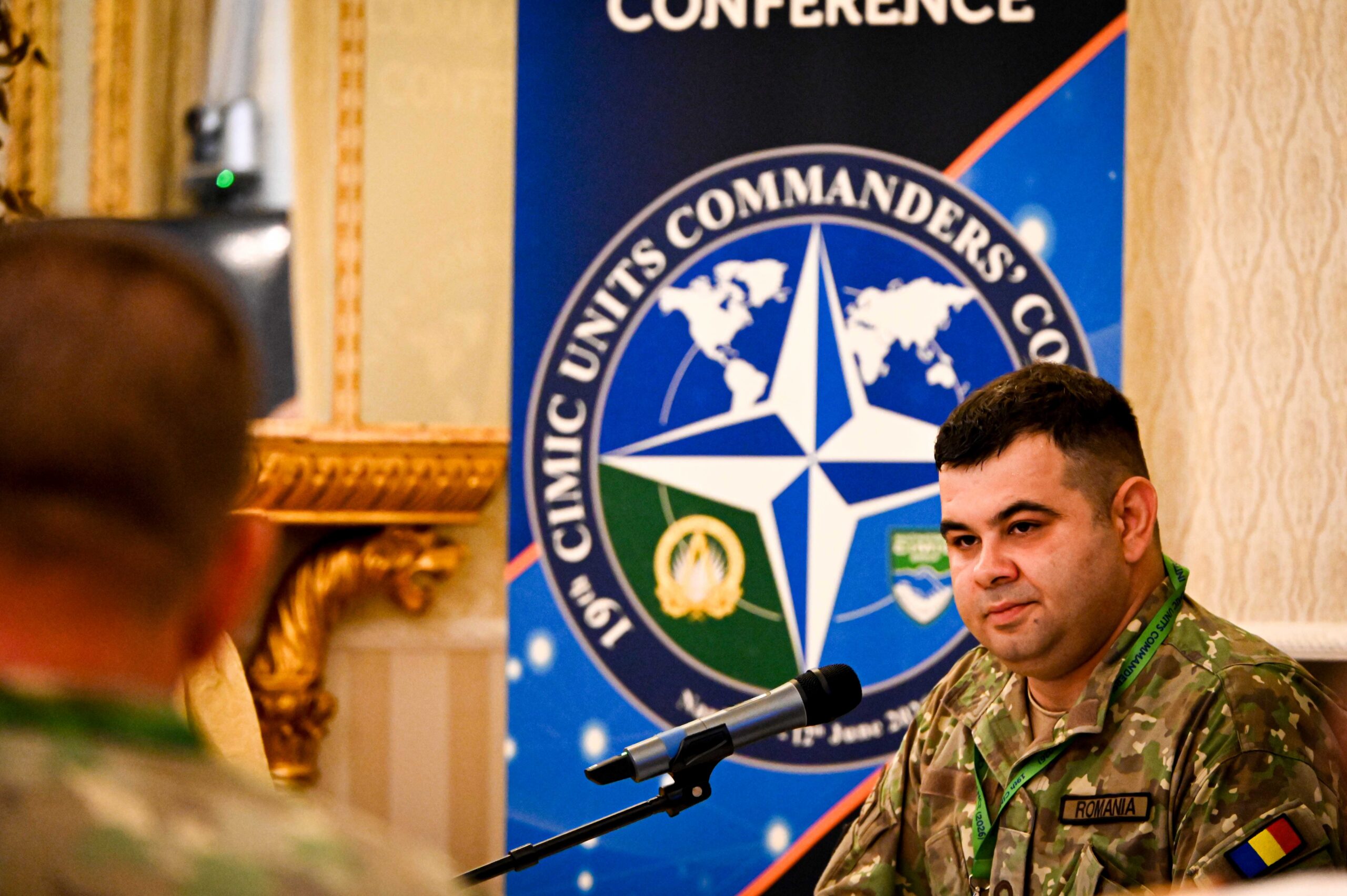






The Naples edition confirmed the role of the Multinational CIMIC Group as a NATO reference point for civil environment understanding, AI-enabled analysis, human judgement and multinational CIMIC readiness
The 19th CIMIC Units Commanders’ Conference, held in Naples, confirmed a clear message for the NATO CIMIC community: civil-military cooperation is not only about coordination. It is a military capability that supports understanding, planning, decision-making and operational effectiveness in complex environments.
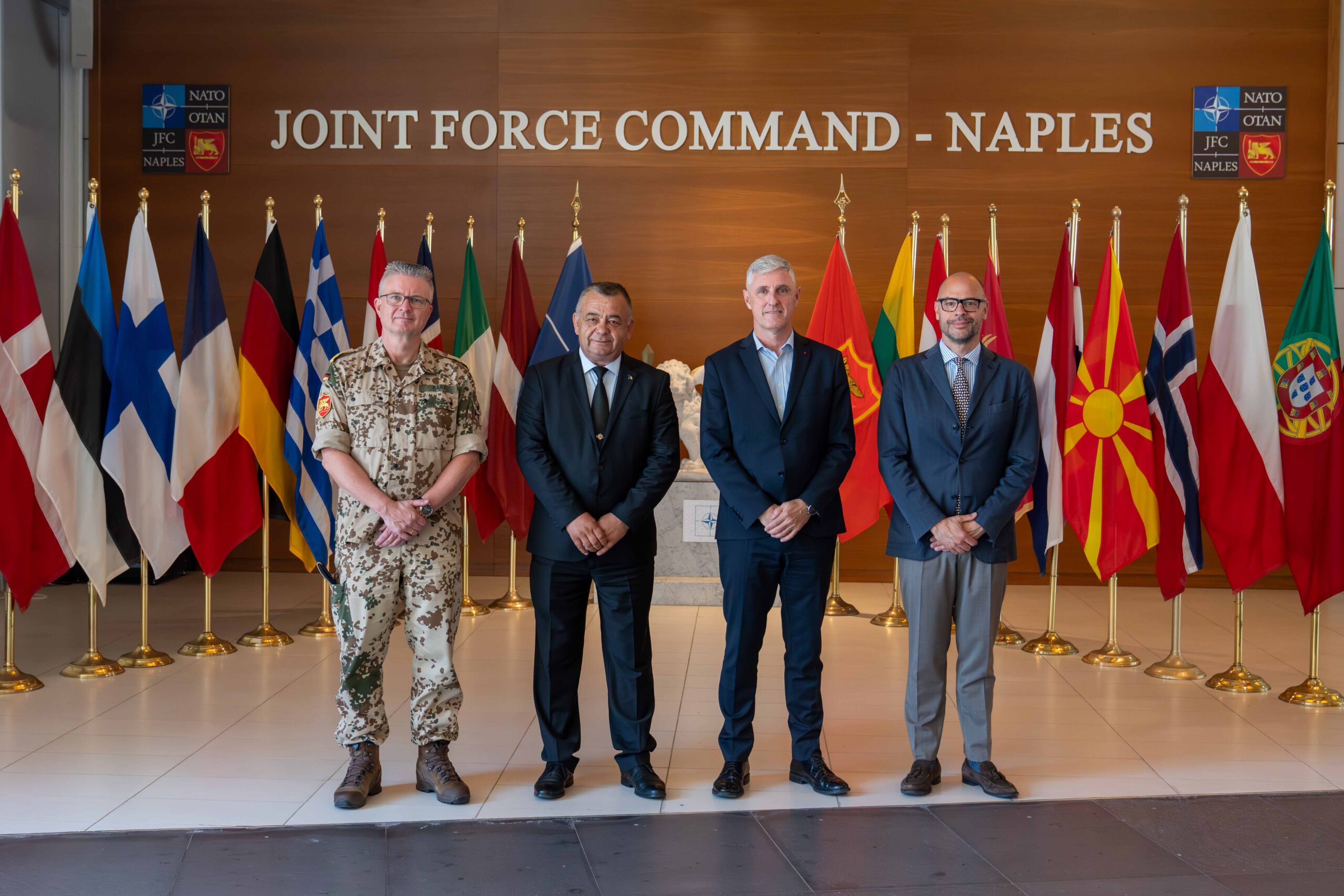
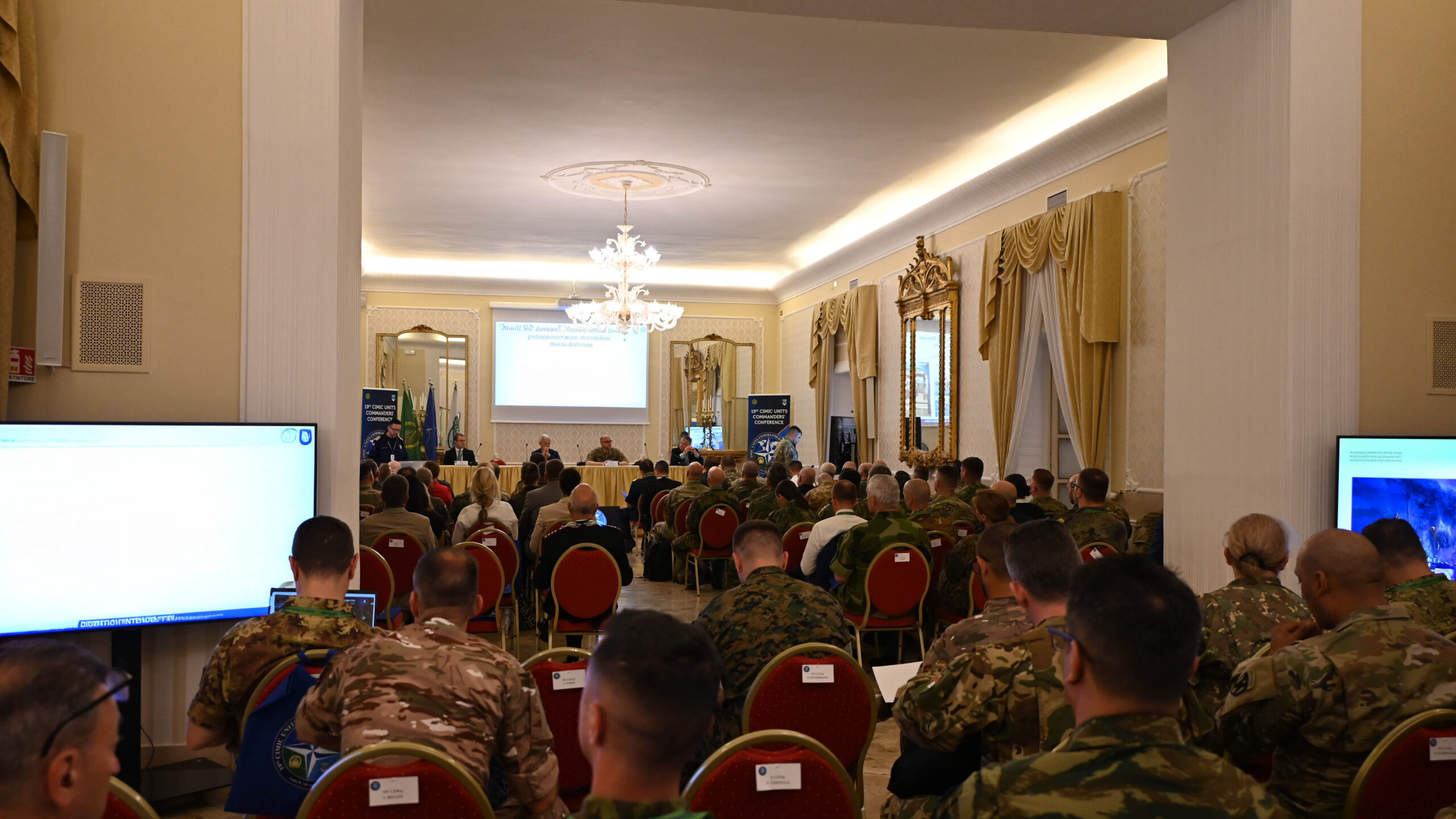
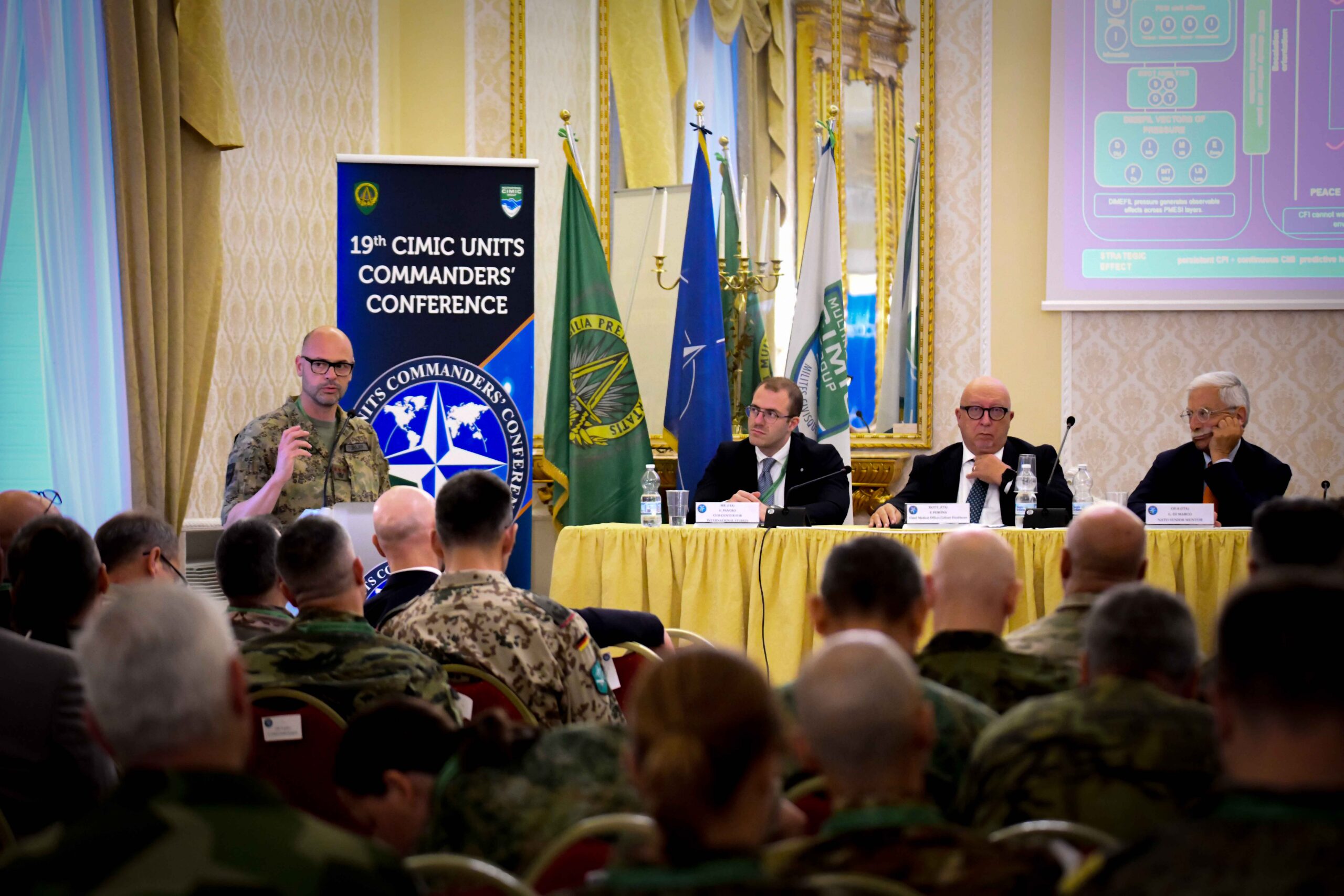
Organised by the Multinational CIMIC Group on behalf of SHAPE, CUCC 2026 brought together military representatives, international organisations, academia and civilian stakeholders, connecting strategic, operational and tactical perspectives.
The Naples edition addressed some of the most relevant challenges for the future of CIMIC, including artificial intelligence, civil environment analysis and assessment, deterrence and defence readiness.
One of the main outcomes of the conference was the renewed centrality of civil environment understanding. Populations, institutions, critical infrastructure, vulnerabilities, social dynamics and local authorities are not background elements. They directly shape the operating environment and influence the way military activities are planned and conducted.
For this reason, CIMIC must continue to support commanders by transforming civil information into relevant, traceable and context-aware understanding. In contemporary operations, timely understanding of the civil dimension contributes to better planning, more informed decision-making and greater operational coherence.
CUCC 2026 also highlighted the role of artificial intelligence and digital tools as potential enablers for CIMIC analysis. AI-enabled tools can support the organisation, correlation and interpretation of large volumes of civil environment information, contributing to situational awareness, resilience analysis and decision-support.
At the same time, the conference reaffirmed a key principle: technology must augment human judgement, not replace it. For CIMIC, the challenge is not only to collect more data, but to understand what that data means in context. Professional experience, human judgement and civil-military expertise remain essential to turn information into operational relevance.
A further distinctive element of this edition was the dedicated engagement component for Command Senior Enlisted Leaders and NCOs. Their contribution is essential to strengthen vertical integration across the CIMIC community, connecting commanders’ direction, staff planning and field experience.
CIMIC readiness depends on this connection: strategic vision must be translated into practical understanding, training outcomes and operationally useful procedures.
Hosted for the first time in Naples, CUCC 2026 also offered a Mediterranean perspective on civil environment understanding. In an area shaped by geography, institutions, population dynamics, cultural context, maritime connections and security challenges, the ability to read the civil dimension remains central to military planning and cooperation.
The value of CUCC lies not only in the conference itself, but in what it enables afterwards. It provides a professional platform where the NATO CIMIC community can share experience, identify common challenges, strengthen interoperability and align future development.
For MNCG, this legacy is clear. Civil environment understanding, AI-enabled analysis, human judgement, NCO contribution and multinational readiness are not separate themes. They are part of the same direction: developing CIMIC as a relevant military capability for complex security scenarios.
Through CUCC 2026, the Multinational CIMIC Group continues to connect people, experience and expertise across the NATO CIMIC community, turning professional dialogue into operational direction.
MNCG is leading the way on civil-military cooperation.