




MNCG Advances NATO CIMIC Cooperation in Support of Regional Defence Plans
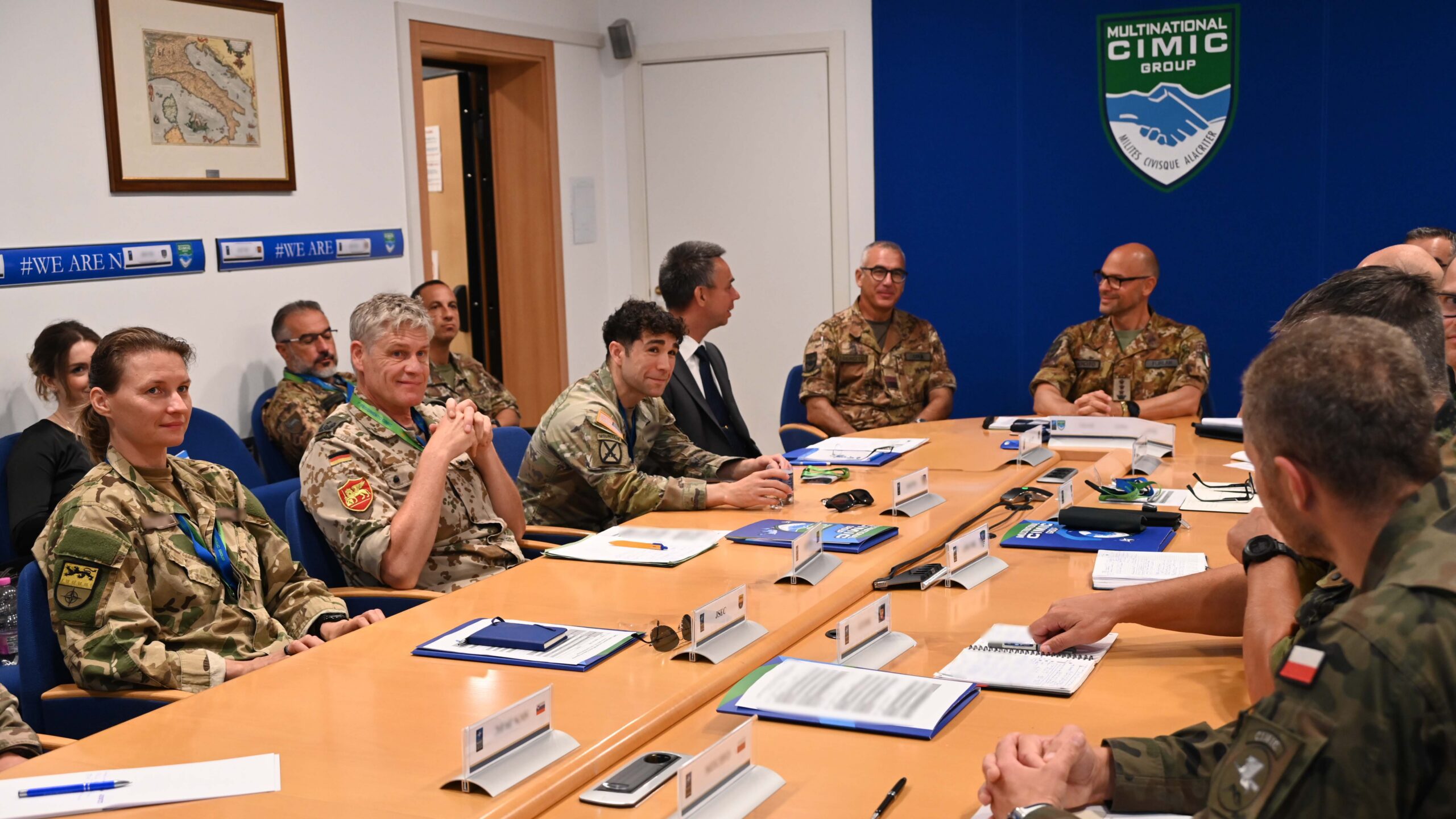
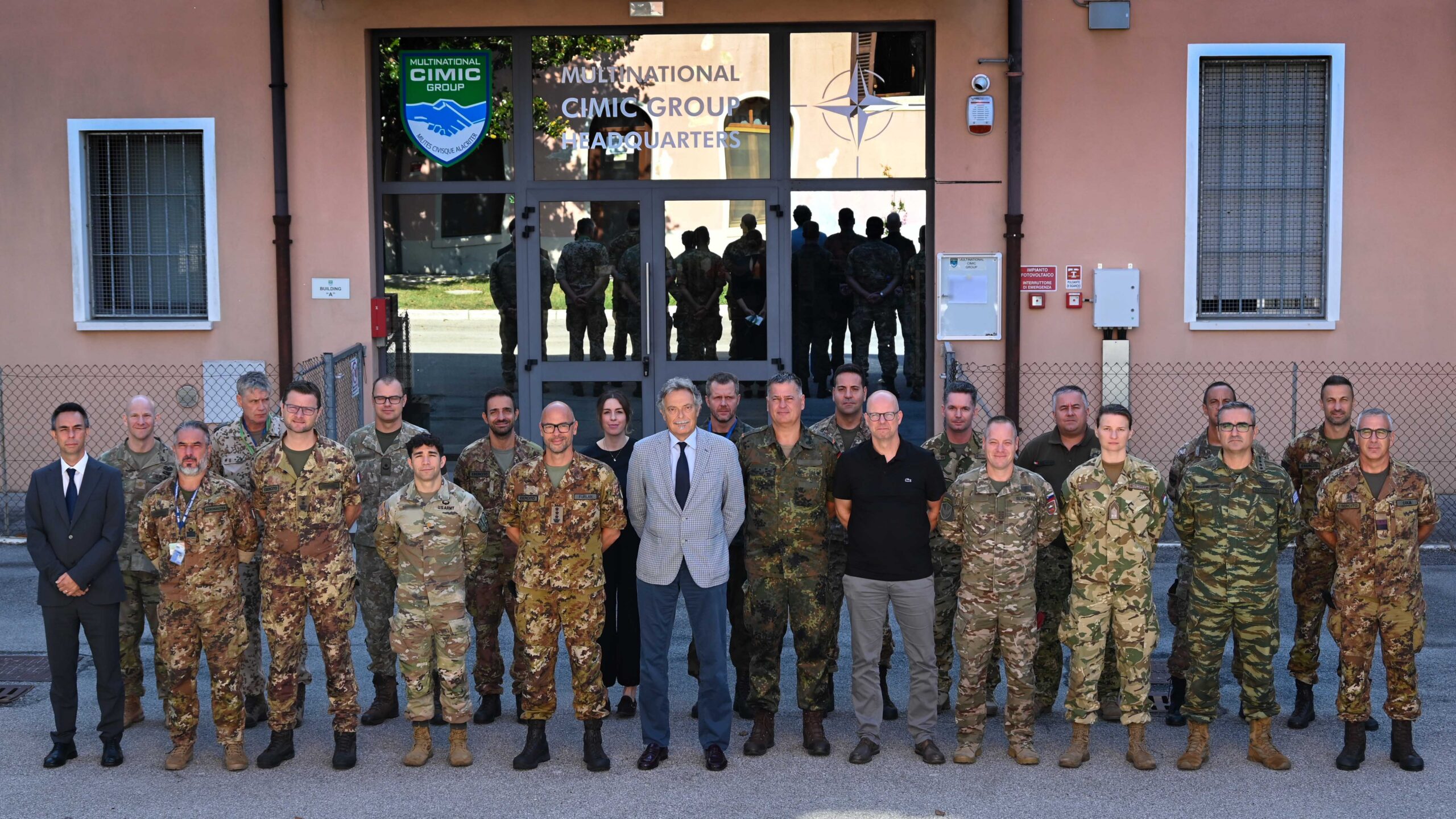
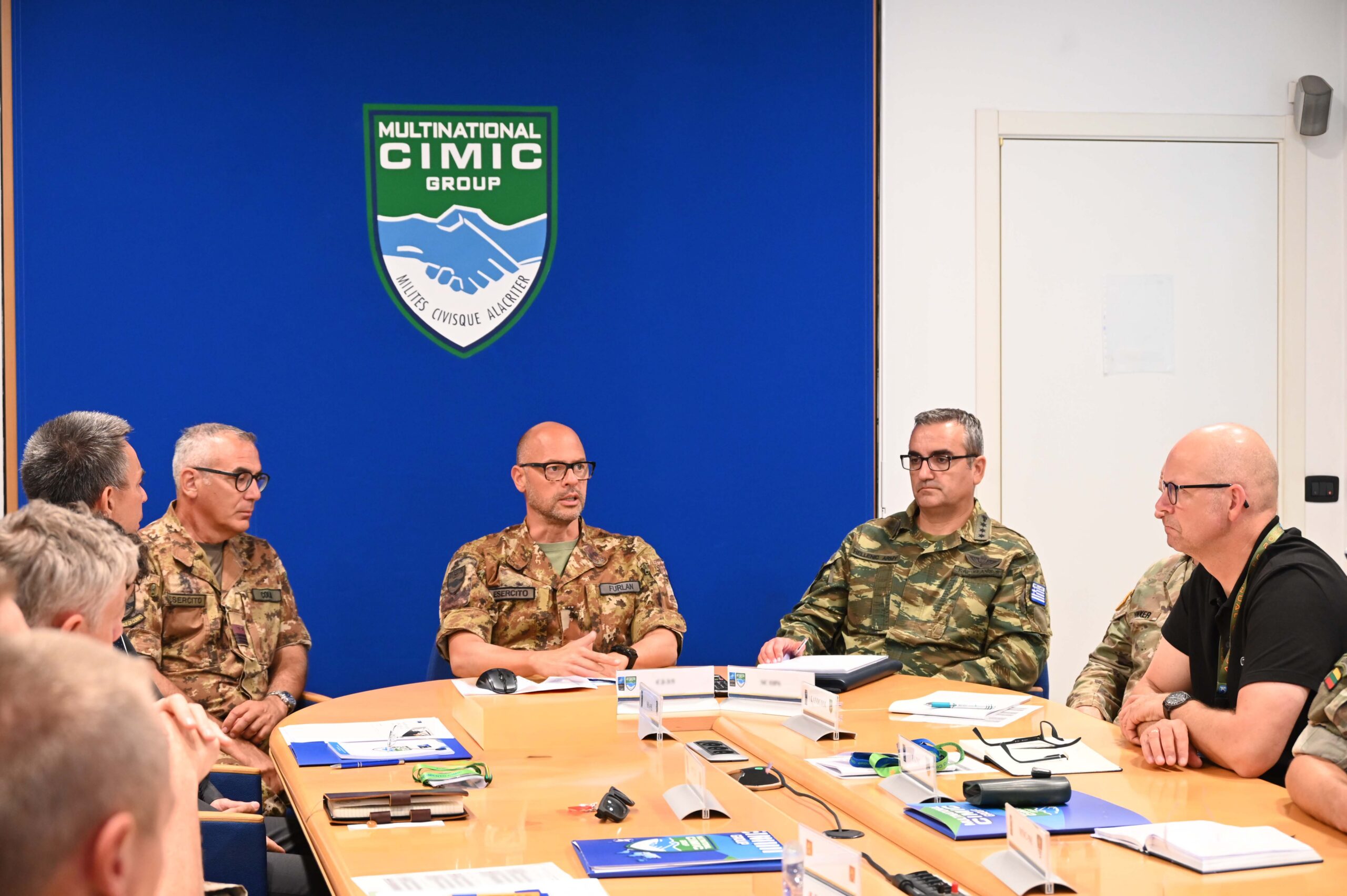
From 1 to 3 September 2026, the Multinational CIMIC Group hosted the workshop “CIMIC Deployment Concept in Support of the Regional Plans” at its headquarters in Motta di Livenza, Italy.
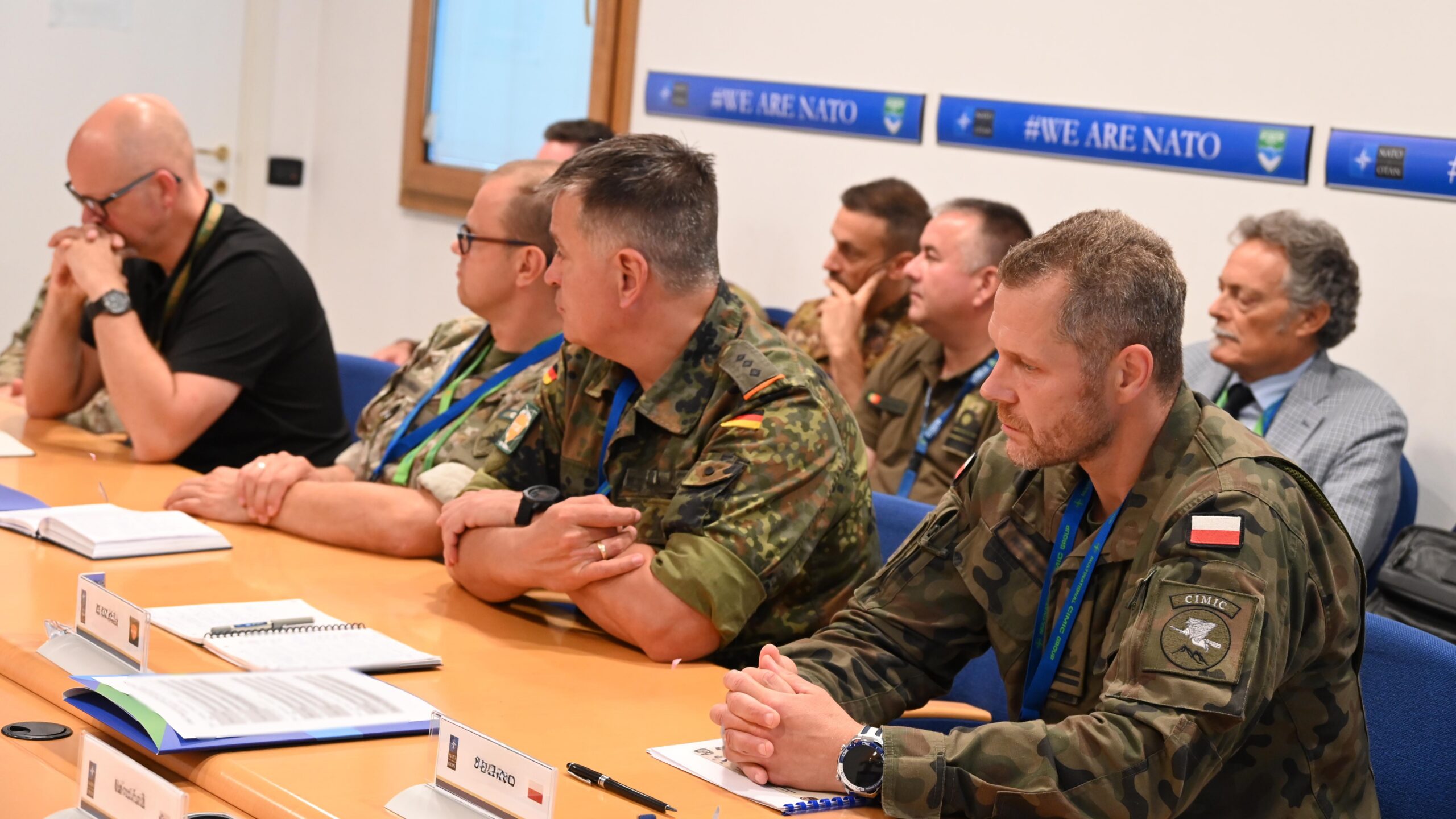
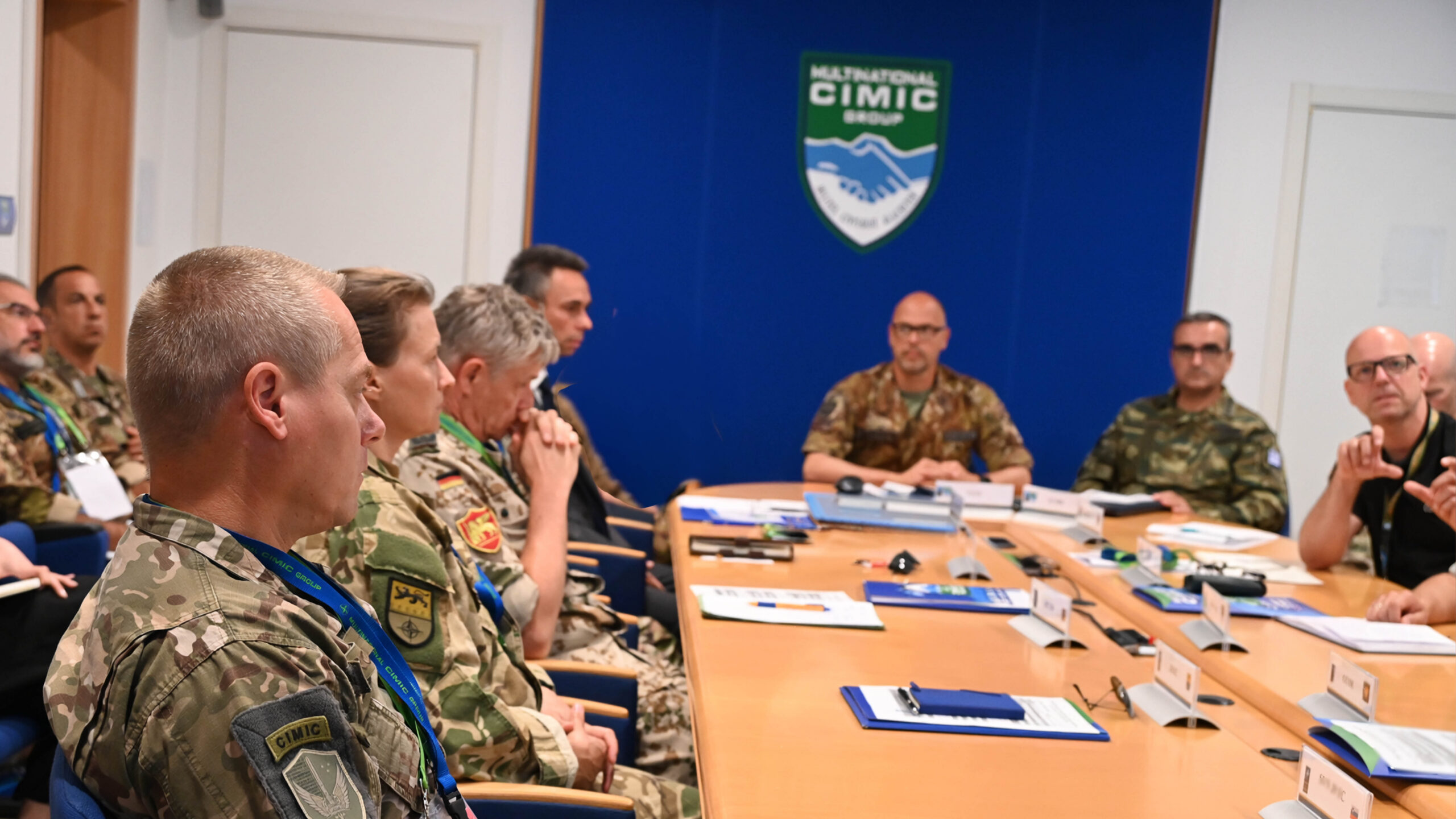
The activity brought together representatives from NATO strategic and operational commands, Allied headquarters, CIMIC organisations, MNCG contributing nations and other relevant military bodies.
The workshop was designed to advance the development of the CIMIC Deployment Concept in support of NATO’s Regional Defence Plans and to continue the work related to the CIMIC Training Hub.
Connecting different levels of planning
The Regional Defence Plans are part of NATO’s wider framework for the Deterrence and Defence of the Euro-Atlantic Area.
Within the limits of publicly available information, these plans connect Allied and national planning and contribute to greater coherence among forces, posture, capabilities, readiness and command and control.
For CIMIC, supporting this framework requires coordination across different levels.
Strategic direction must be understood at operational level and translated into practical planning, procedures and training at tactical level. At the same time, lessons and requirements identified by units and headquarters must inform the continued development of doctrine and capabilities.
The workshop provided a forum in which these different perspectives could be examined together.
From doctrine to training
The programme addressed several connected areas of work.
These included the continued development of the CIMIC concept for the Regional Plans, tactical planning, capability generation, the evolution of CIMIC doctrine, lessons from recent NATO activities and the preparation of future training events.
Participants also discussed the continued development of the CIMIC Training Hub, intended to support a more coherent approach to training and interoperability across the NATO CIMIC community.
The workshop did not treat doctrine, training and operational preparation as separate subjects. The discussions focused on how each element must support the others.
Shared doctrine provides a common foundation. Training allows that doctrine to be understood and applied. Exercises test whether procedures work in a multinational environment. Lessons identified then contribute to the next cycle of development.
The Commander’s perspective
“Regional Plans require coherence across commands and levels of responsibility. For CIMIC, this means common understanding, shared doctrine and realistic training. This workshop allowed us to connect those elements and set the direction for the work ahead,” said Colonel Piero FURLAN, Commander of the Multinational CIMIC Group.
Technology and professional judgement
The programme also included a discussion on the ethical use of artificial intelligence tools in military decision-making.
For CIMIC, new technologies may assist the organisation and analysis of information concerning the civil environment. Their use, however, must remain supported by professional judgement, contextual understanding and appropriate responsibility.
This reflects a wider requirement for the CIMIC community: technology can improve the way information is handled, but it does not replace the human ability to understand relationships, institutions, vulnerabilities and social dynamics.
Preparing the next steps
The workshop helped consolidate a common understanding of the work still required.
Its outcomes will inform the continued development of the CIMIC Deployment Concept, the CIMIC Training Hub, relevant doctrinal products and the planning of future training activities.
The activity also confirmed the role of MNCG as a multinational platform connecting CIMIC expertise, planning, doctrine and training.
The value of the workshop will therefore not be measured only by the discussions held in Motta di Livenza, but by the ability to translate those discussions into shared procedures, realistic preparation and more interoperable CIMIC capabilities.