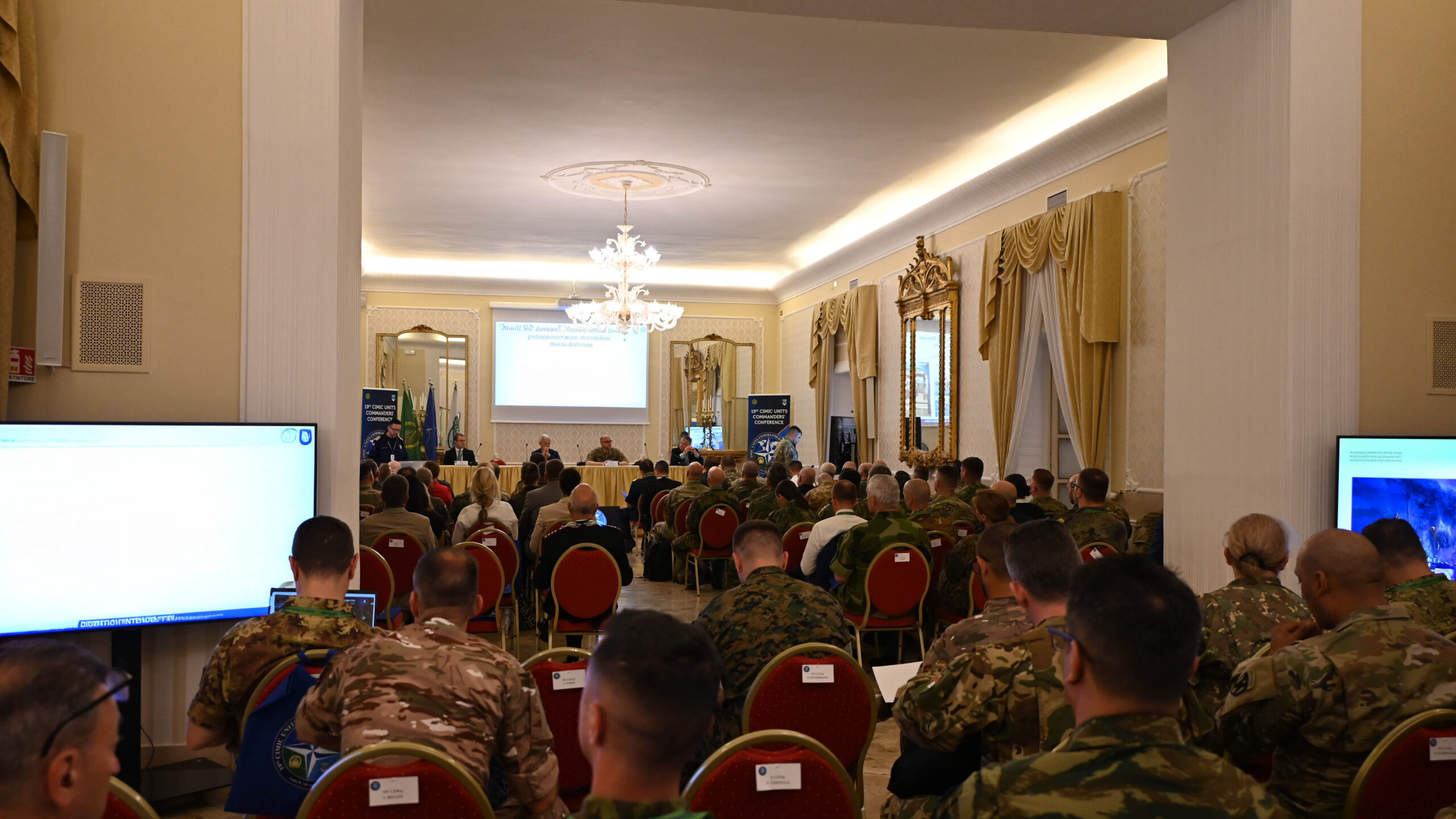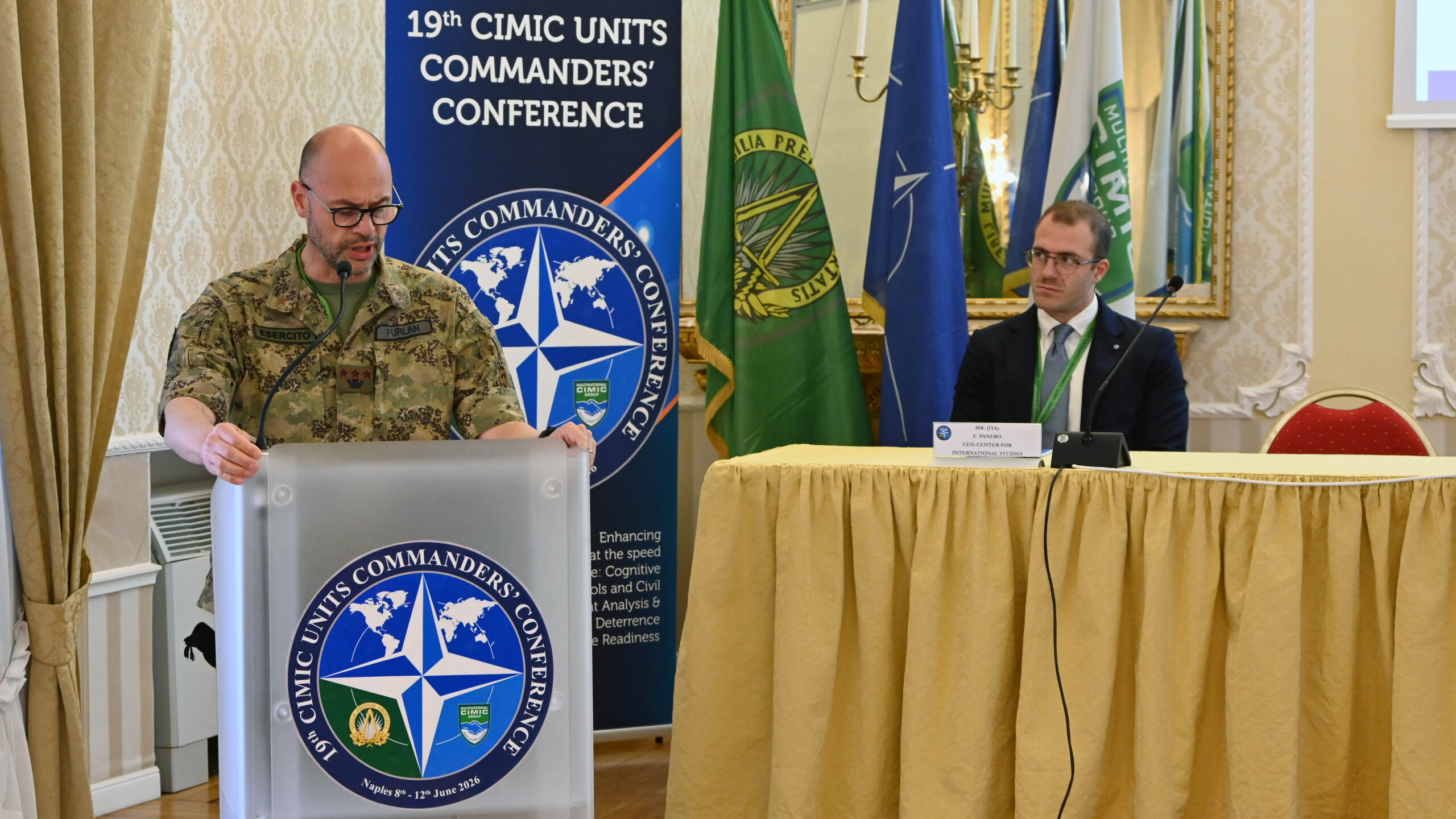






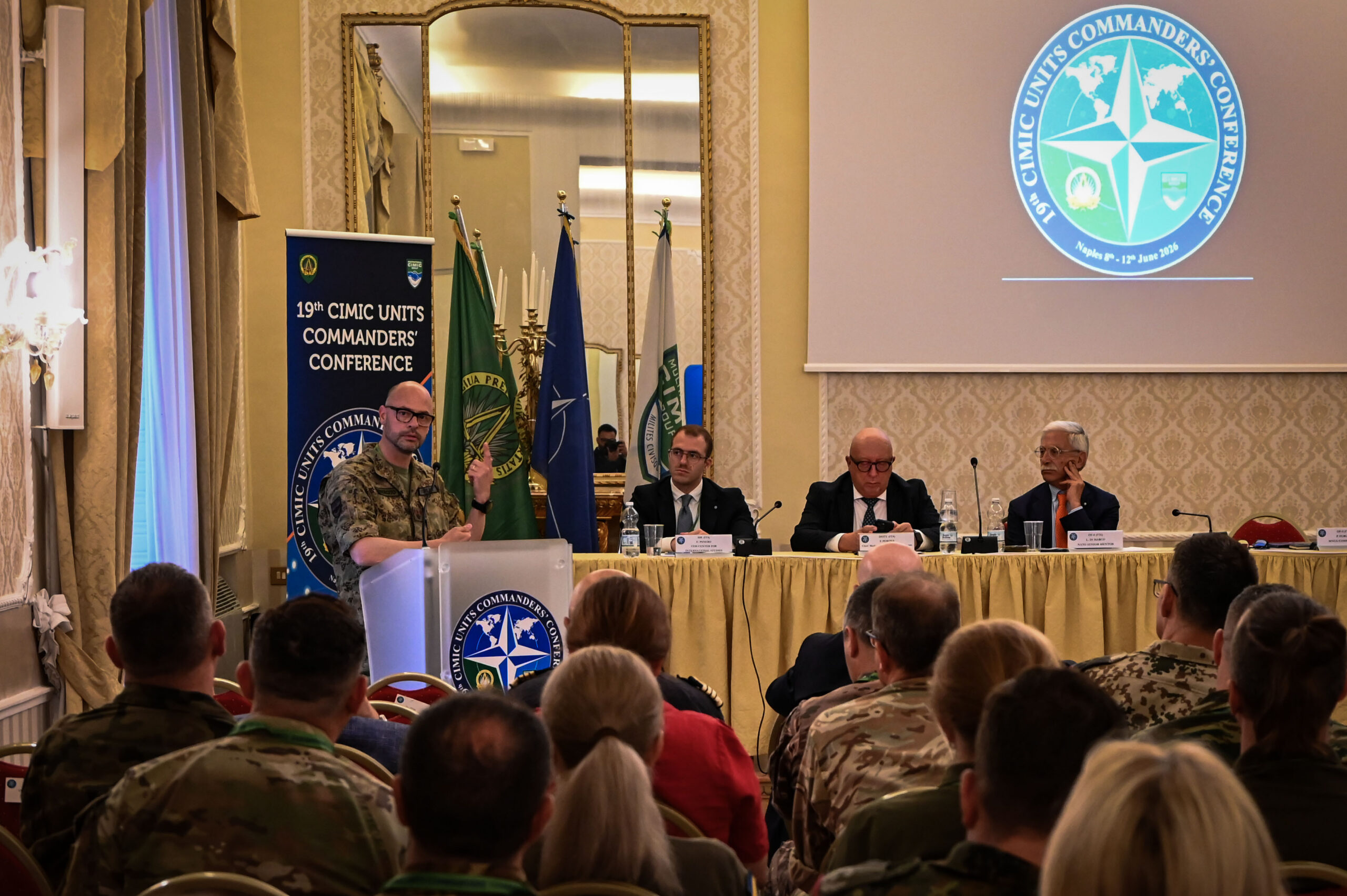
The 19th CIMIC Units Commanders’ Conference opened today in Naples, marking the first time the event is hosted in the city. Organised by the Multinational CIMIC Group on behalf of SHAPE, the conference brings together over 100 participants and representatives from 25 nations, confirming CUCC as a high-level forum for the NATO CIMIC community.
The opening day set the strategic framework for three days of professional discussion on civil-military cooperation, collective defence, deterrence, resilience and defence readiness. In the current security environment, CIMIC confirms its renewed relevance in supporting NATO’s ability to understand, anticipate and operate within complex civil environments.
Contemporary operations increasingly show that the civil environment is not a passive background. It is a dynamic and contested dimension that can enable, constrain or degrade the Commander’s freedom of action. Populations, institutions, critical services, infrastructures, information flows and social perceptions are closely connected to military planning, decision-making and operational effectiveness.
The discussions addressed the role of the human environment, hybrid threats, international humanitarian law, protection of civilians and societal resilience. Particular attention was devoted to the need to move beyond a static understanding of the civil environment and to strengthen the ability to anticipate how populations, institutions and essential services may react under pressure.
Hybrid threats, cyber activities and disinformation can rapidly affect the civil environment, turning local vulnerabilities into strategic challenges. In this context, CIMIC contributes to building a clearer understanding of the civil dimension, supporting commanders in assessing how civil factors may influence operations, legitimacy and mission success.
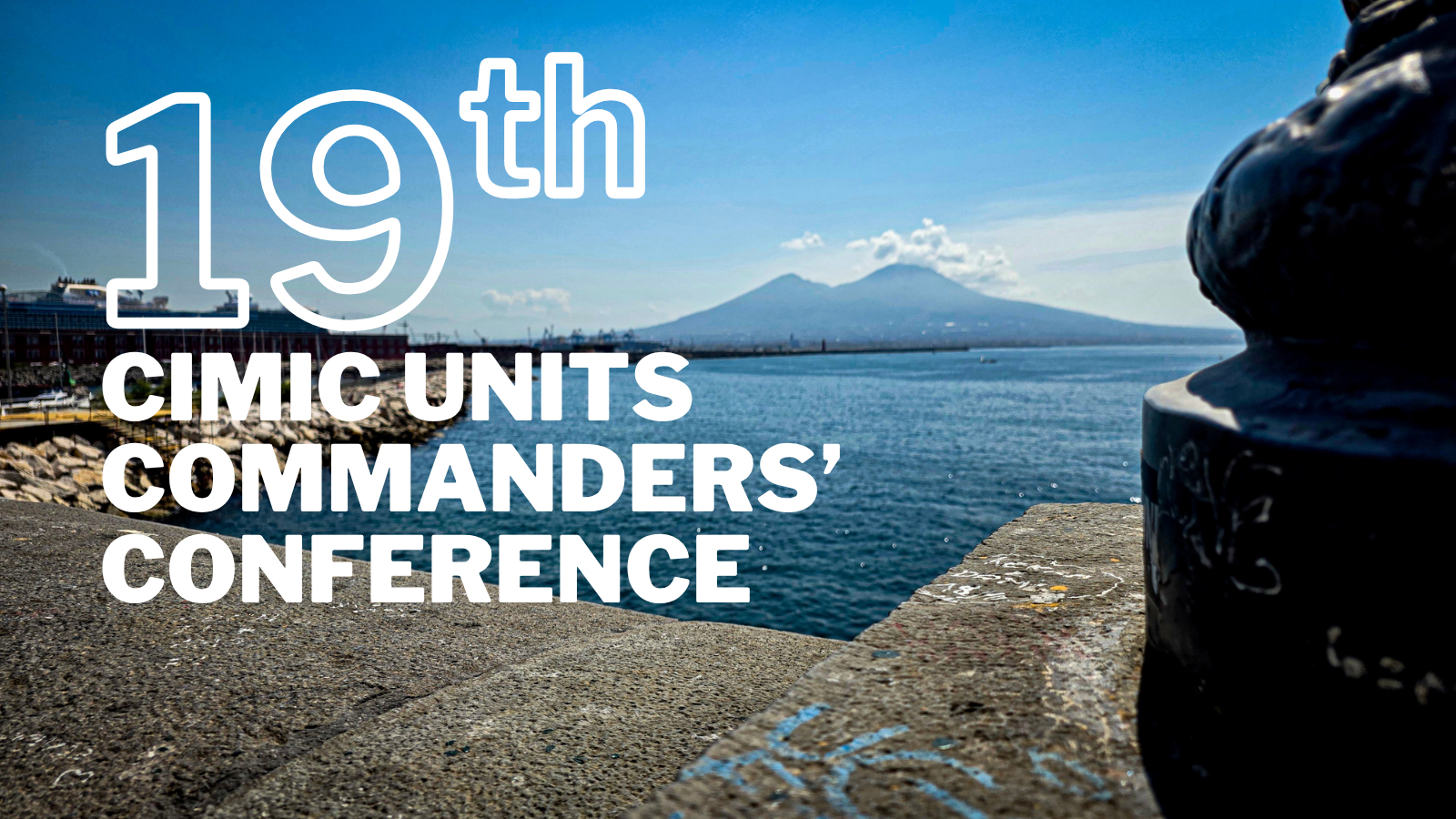
The choice of Naples adds a distinctive dimension to the 2026 edition. As a Mediterranean city with a strong connection to the Alliance’s presence in the area, Naples provides a meaningful setting for a discussion on how territories, populations, institutions and cultural dynamics influence the understanding of the civil environment and the conduct of contemporary operations.
Over three days, the conference will address artificial intelligence, civil environment analysis, deterrence, defence readiness and the contribution of CIMIC to understanding complex civil dynamics in support of NATO operations. The 19th CUCC therefore represents not only a meeting point for the NATO CIMIC community, but also a valuable professional opportunity to share perspectives, compare approaches and strengthen a common understanding of the civil dimension of modern operations.
MNCG is leading the way on civil-military cooperation.